
Cellulose ether, often hailed as “industrial MSG,” is inherently environmentally friendly due to its origin from natural cotton linter or wood pulp. As a non-ionic water-soluble cellulose ether, it not only offers excellent properties like thickening, water retention, and retardation but also serves as an ideal substitute for traditional petroleum-based synthetic thickeners due to its biodegradable, non-toxic, and renewable characteristics.
Widely used in dry-mix mortar, tile adhesives, and putty powder, it reduces material waste and extends building life by improving water retention and workability.
Reduces reliance on fossil fuels at the source and lowers the overall lifecycle carbon footprint.


Redispersible Polymer Powder (RDP) is key to enhancing the durability of building materials. Our RDP products significantly improve the bond strength and flexibility of mortars, thereby extending building lifespans and reducing resource waste and carbon emissions caused by repeated repairs and reconstruction.
With increasingly stringent global green building regulations, high-performance, low-VOC, eco-friendly RDPs are becoming the market mainstream.
In systems like External Thermal Insulation Composite Systems (ETICS) and waterproofing mortars, our solutions help buildings achieve energy savings and consumption reduction.
Polycarboxylate superplasticizer is the core of high-performance concrete. We understand that technological innovation is key to energy conservation and emission reduction.
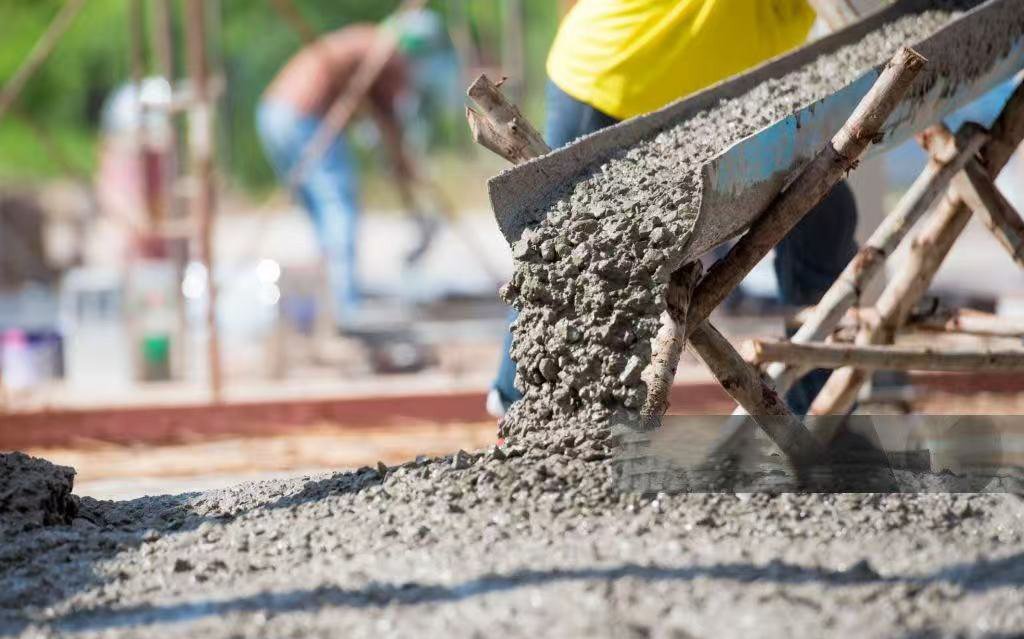
Through more efficient molecular structure design, our polycarboxylate superplasticizers significantly enhance the dispersion and utilization rate of cement particles. While ensuring concrete workability and strength, it can substantially reduce the amount of cementitious material per cubic meter of concrete (experimental data shows a reduction of 5%-10%).
This not only saves costs for customers but also fundamentally reduces the massive carbon emissions associated with cement production, achieving “reduced cement content without compromising quality.”
Your inquiries answered within 4 hours. Please include your plant type and monthly volume for a tailored quote.
We will provide professional solutions to you promptly!
The inquiries answered within 4 hours. Please include your plant type and monthly volume for a tailored quote.