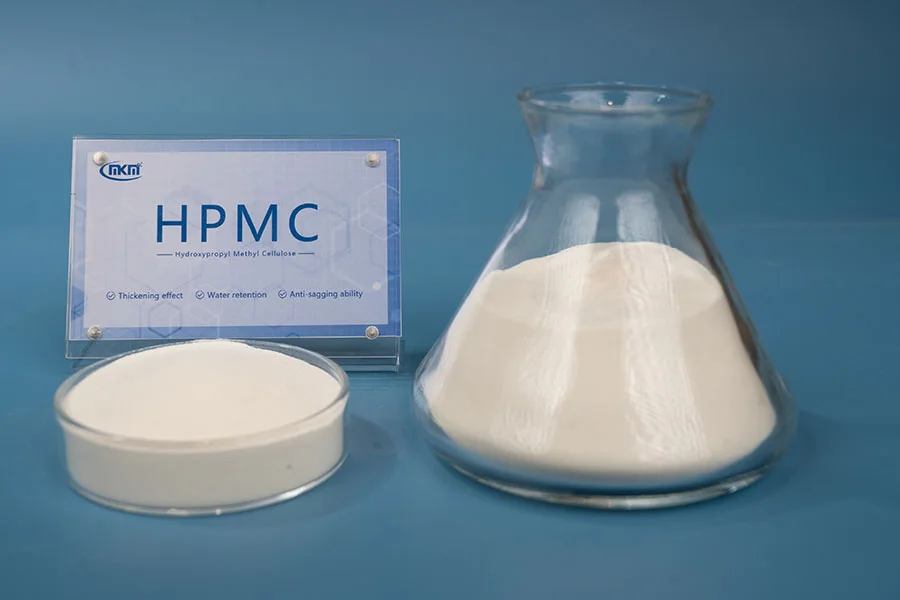
China's leading manufacturer of Starch Ether, offering Plaster Retarder solutions.
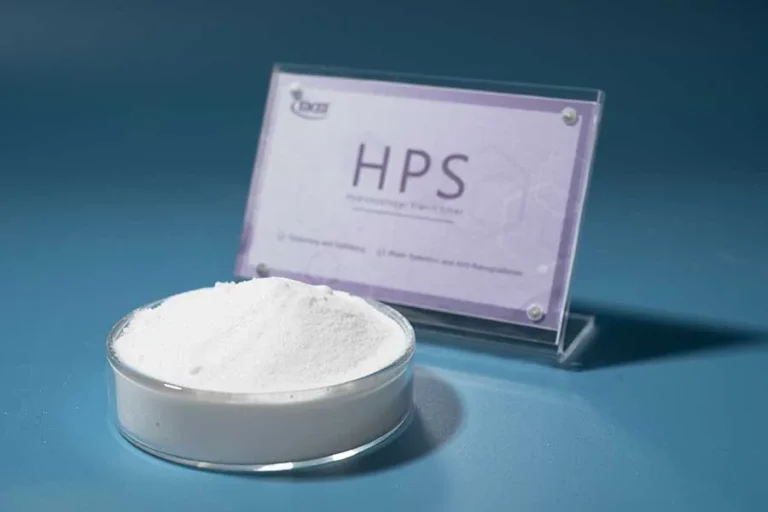
As an important additive in modern construction formulations, Hydroxypropyl Starch Ether helps improve workability, anti-sagging performance, open time, water retention, and application smoothness. It is especially valued by manufacturers of dry mix mortar who need stable product quality and better on-site construction performance.
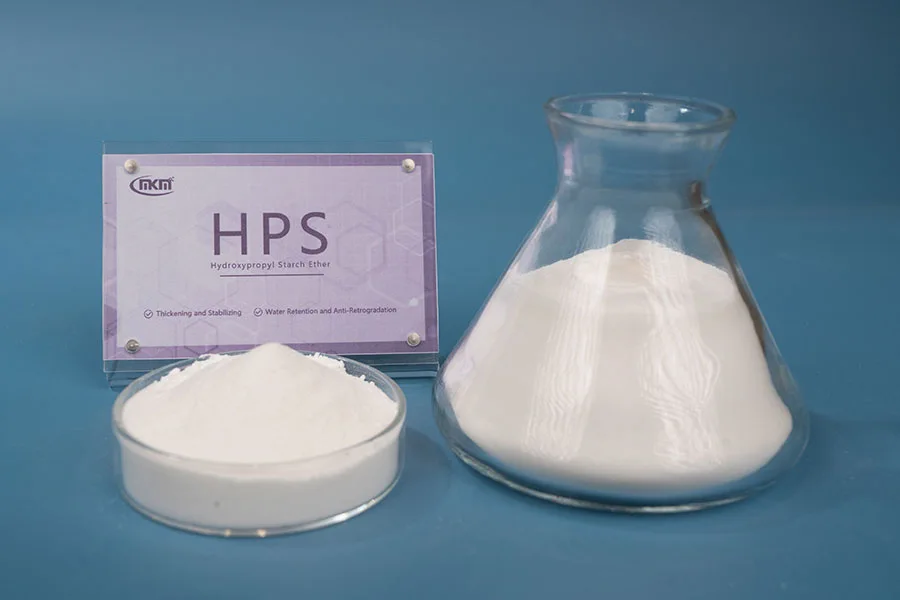
Hydroxypropyl Starch Ether is a modified starch derivative produced through etherification of natural starch. In construction applications, it is used as a functional additive to improve the rheological properties of mortar systems.
Compared with other additives, starch ether is especially effective in controlling the texture and application behavior of dry mix products. It enhances the consistency of fresh mortar, improves anti-slip and anti-sagging characteristics, and helps workers apply materials more easily and efficiently.
In many dry mortar formulas, Hydroxypropyl Starch Ether is used together with HPMC (Hydroxypropyl Methyl Cellulose) or other cellulose ethers to achieve better overall performance.
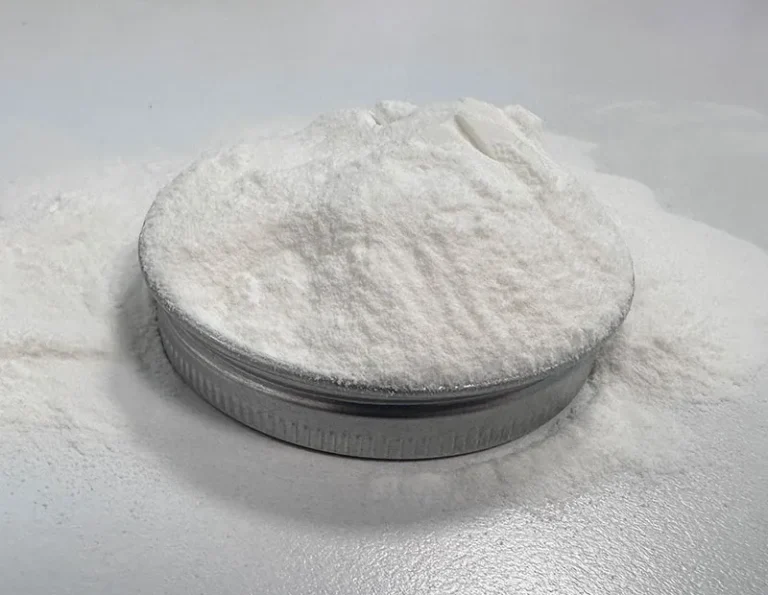
Hydroxypropyl starch ether works by forming a viscous film on particle surfaces, enhancing water retention, improving workability, and stabilizing the consistency of mortar and gypsum-based systems.
Below are typical technical parameters of our construction grade Hydroxypropyl Starch Ether. Specific grades can be customized according to application requirements.
| Item | Standard Specification |
|---|---|
| Appearance | White, free-flowing powder |
| Solubility | Dispersible in cold water |
| Solid content | 98.0% |
| Viscosity | 400-1,200 mpa.s |
| Moisture Content | ≤ 5% |
| pH Value | 8–11.5 |
| Particle Size | ≤350um |
| Hydroxypropyl Content | Customized according to grade |
| Viscosity Effect | Provides thickening and rheology control |
| Recommended Dosage | 0.02%–0.20% |
| Application | Dry mix mortar, tile adhesive, putty, gypsum plaster, EIFS |
By choosing right products, you can optimize crack resistance, toughness, and durability across a wide range of concrete projects.
One of the most important functions of Hydroxypropyl Starch Ether is to improve anti-sagging properties. This is particularly valuable in tile adhesive, where vertical application requires the mortar to hold tiles firmly in place without slipping.
The product enhances the smoothness and handling properties of mortar and putty. This makes mixing, spreading, combing, and finishing easier for construction workers.
By optimizing the internal structure of the mortar, starch ether helps extend workable time and improves adjustment time during application.
Although starch ether is not the main water-retaining agent in most formulations, it works synergistically with cellulose ether to support water retention and help prevent premature drying.
Hydroxypropyl starch ether gives mortar a more balanced and creamy texture, helping improve resistance to slipping while maintaining good spreadability.
With a relatively low dosage, Hydroxypropyl Starch Ether can significantly improve product performance, making it an economical additive choice for dry mortar manufacturers.
Michem understands the real needs of global building material buyers: stable quality, consistent batch performance, professional export support, and responsive service.
Whether you are a dry mix mortar producer, construction chemical distributor, tile adhesive manufacturer, or import wholesaler, Michem can support your sourcing needs with reliable starch ether solutions.
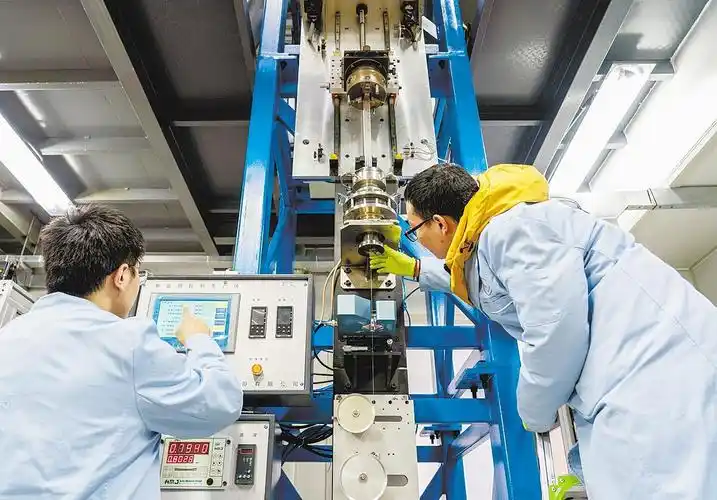
Our gypsum retarder plays an irreplaceable role in concrete construction projects due to its superior water reduction rate.
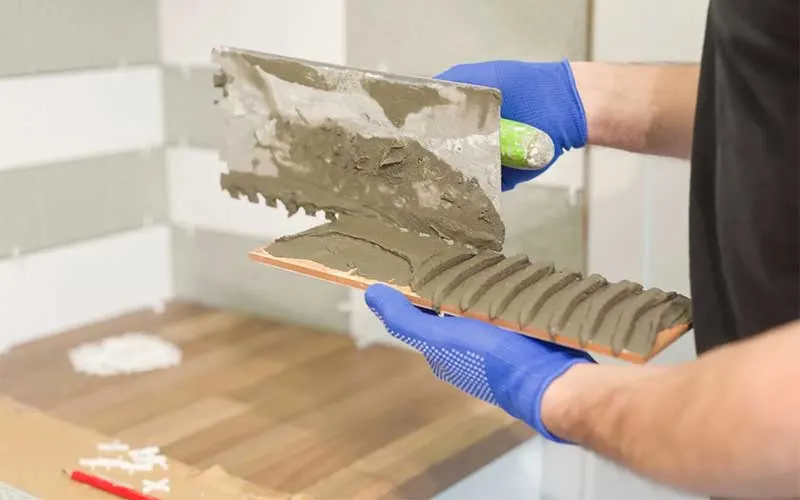
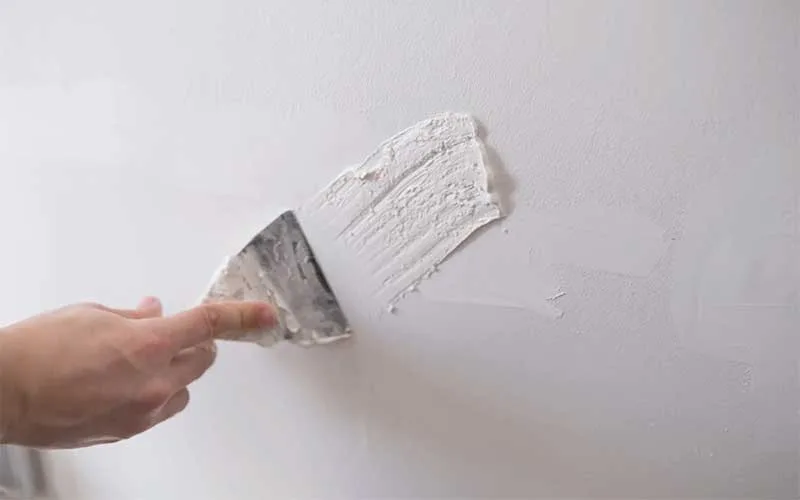
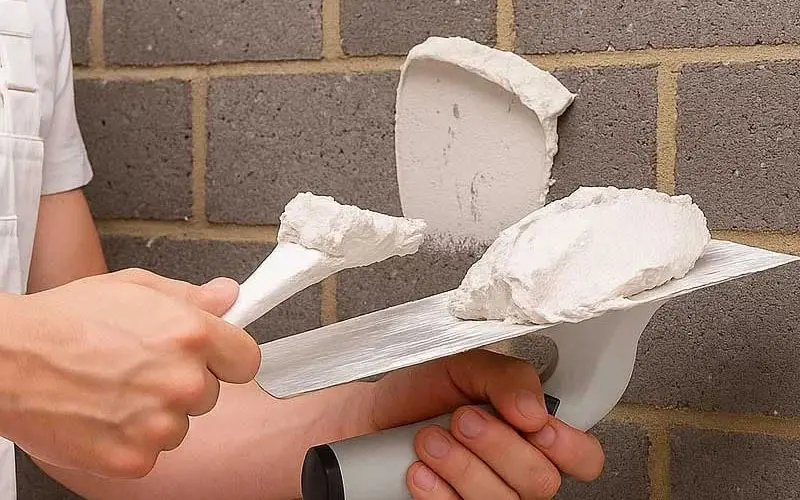
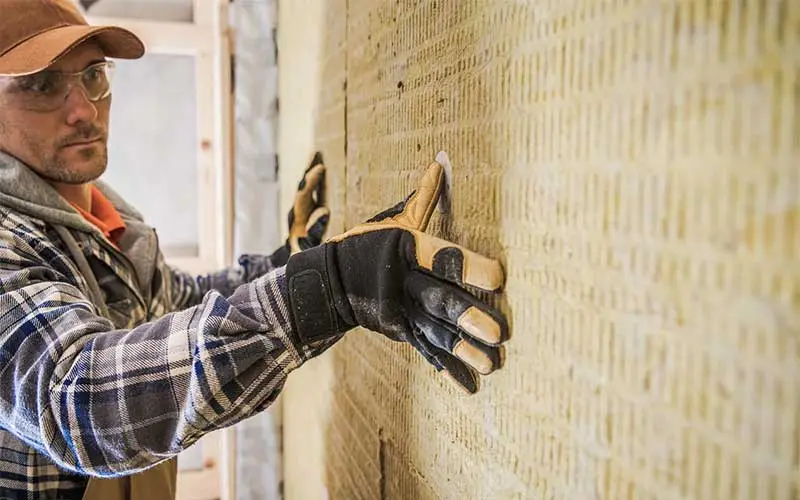
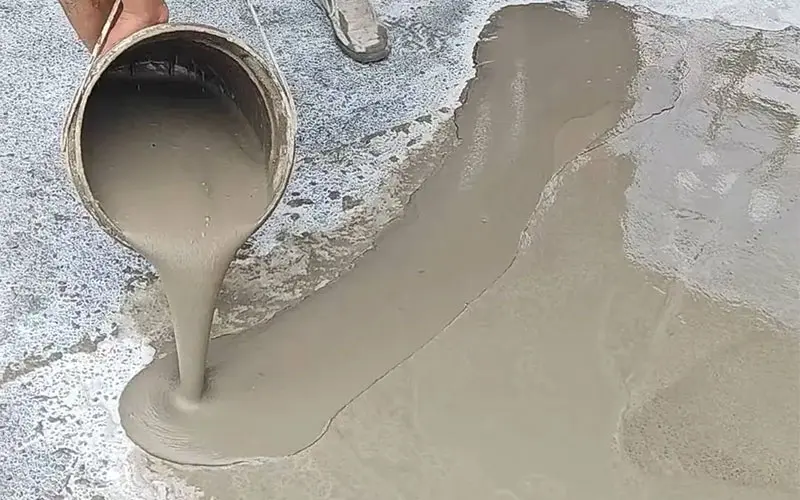
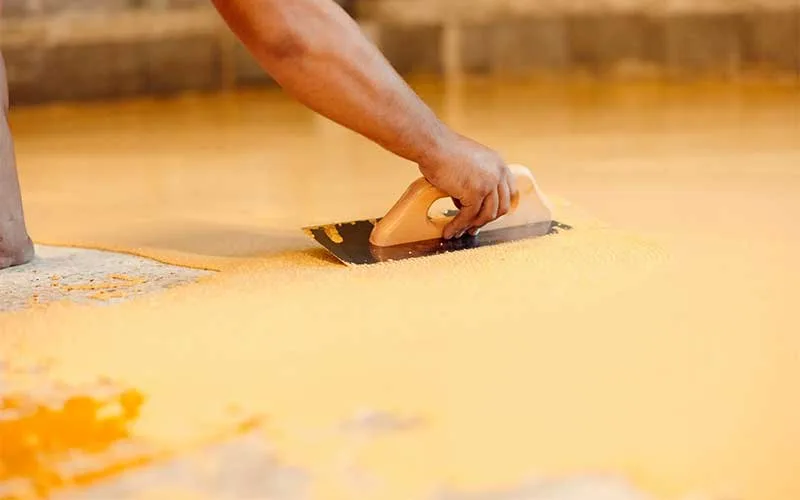
In dry mix mortar systems, Hydroxypropyl Starch Ether modifies the rheological behavior of the wet mix. It increases the internal cohesion of the mortar while preserving workable consistency.
This results in:
When combined with cellulose ether, starch ether contributes to a more optimized balance between water retention, open time, slip resistance, and workability.

The typical dosage of Hydroxypropyl Starch Ether is around 0.02% to 0.20% of the total dry mix formula, depending on product type and performance targets.

Excess dosage may affect workability or increase viscosity too much, so lab testing is recommended before mass production.
Many customers ask whether starch ether can replace cellulose ether. In most dry mix applications, the answer is no—but they work very well together.
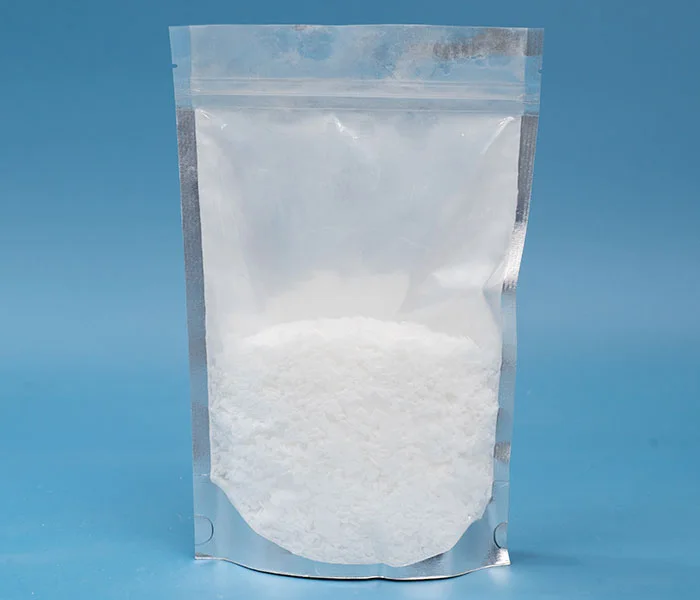
Store in a cool, dry, and ventilated place. Protect from moisture and direct sunlight. Keep the package tightly sealed after opening.
Typically 12 months in unopened original packaging under proper storage conditions.
It is mainly used as a performance additive in dry mix mortar products such as tile adhesive, wall putty, gypsum plaster, EIFS mortar, and repair mortar. It improves anti-sagging, workability, and mortar consistency.
No. They are different additives with different functions. Starch ether mainly improves rheology and anti-sagging, while cellulose ether mainly improves water retention and open time.
Yes. It is widely used in tile adhesive formulations to improve anti-slip, anti-sagging, and application performance.
The typical dosage is 0.02% to 0.20%, depending on the formula and desired effect.
Yes. It can be used in gypsum plaster and other gypsum-based materials to improve consistency and application properties.
Yes. Michem supports sample requests for laboratory and factory testing.

Submit your formulation system to receive customized selection recommendations.
Samples shipped within 48 hours, accompanied by batch stability comparison reports.
Annual framework agreements enjoy priority scheduling + tiered pricing.
Your inquiries answered within 4 hours. Please include your plant type and monthly volume for a tailored quote.
We will provide professional solutions to you promptly!
The inquiries answered within 4 hours. Please include your plant type and monthly volume for a tailored quote.