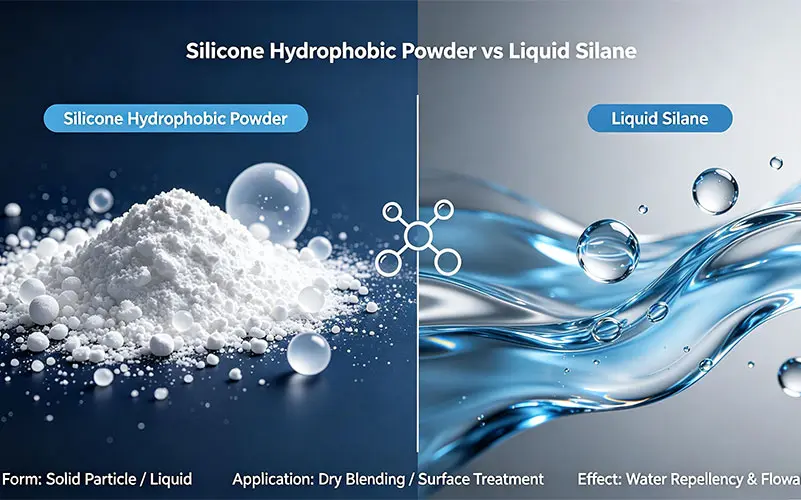
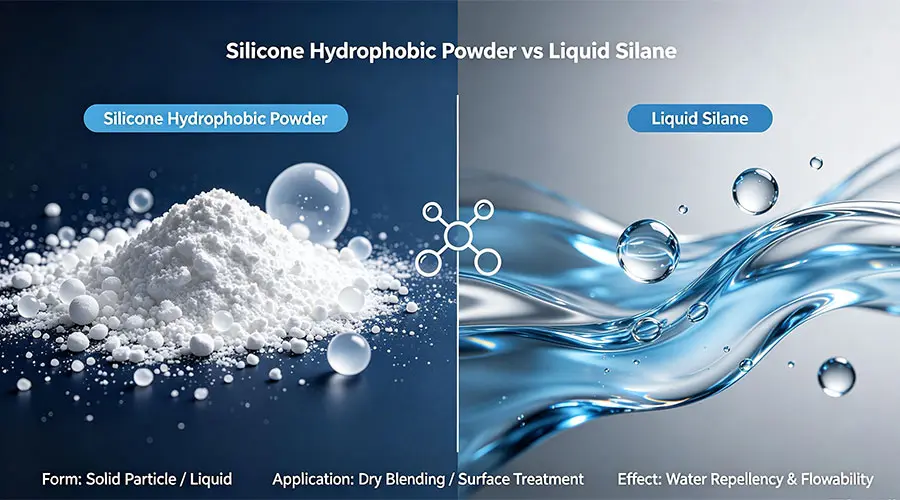
Sıvı silan ise farklı bir yol izler. Karıştırıcıya püskürtülmeli, tek tek parçacıkları ıslatmalı ve uzun süreli karıştırma yoluyla yeniden dağıtılmalıdır; bu da, yeterince işlenmemiş “soğuk noktalar” ile birlikte yerel “sıcak noktalar” oluşmasına neden olur. Sıvı taşıyıcı ayrıca çimentonun erken reaksiyonuna neden olabilir, istiflenmiş paletlerde yerçekimi etkisiyle yer değiştirebilir veya standart ambalajdan buharlaşarak raf ömrü boyunca hidrofobikliği ve işlenebilirliği bozabilir.
Kullanımdan önce aylarca ambalajında bekletilebilen kuru karışım harçlarda, toz halindeki silikon su itici madde, sıvı silanın sağlayamadığı üç avantaj sunar: homojen dağılım, istikrarlı raf ömrü ve üretim hattında kolaylık. Bu da onu, ciddi her kuru karışım üreticisi için mantıklı bir tercih haline getirir.
Kuru karışım harç üreticileri için su itici özelliğe sahip malzeme seçimi, önemsiz bir kimyasal tercih değildir — bu seçim, üretim hattının tasarımını, sermaye harcamalarını, kalite tutarlılığını ve müşteri memnuniyetini şekillendirir.
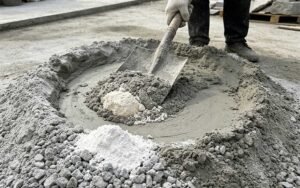
Çoğu kuru karışım tesisi, kuru tozlar için tasarlanmış şerit karıştırıcılar veya yerçekimi karıştırıcıları kullanmaktadır. Sıvı silan için tesisin yenilenmesi, ısıtmalı depolama sistemlerinin (silanın viskozitesi düşük sıcaklıkta artar), hassas dozaj pompalarının, püskürtme sistemlerinin ve uzatılmış karıştırma döngülerinin kurulmasını gerektirir. Pompa contaları, nozullar ve ısıtmalı hatların sermaye harcamaları ve sürekli bakımı, kalıcı bir işletme yükü haline gelir.
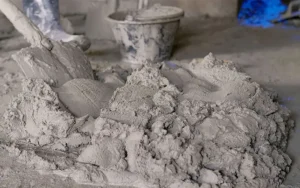
Ürün kalitesi de aynı derecede risk altındadır. Su iticiliği düzensiz olan bir torba kuru karışım harç, şantiyede düzensiz su yalıtımı oluşturur — bazı bölgelerde su damlacıkları oluşurken, diğerleri suyu emer. Bu tutarsızlık, kimyasal maliyetlerdeki marjinal tasarrufların çok ötesinde şikayetlere, yeniden işleme gereksinimine ve marka itibarının zedelenmesine yol açar. Toz, kuru partikül halindeki bir katkı maddesi olduğu için, harçtaki her gramın hedef dozajı içerdiğini, homojen bir şekilde dağıldığını ve su eklendiğinde aktive olmaya hazır olduğunu garanti eder. İtibarı tutarlı performansa dayanan üreticiler için bu güvenilirlik tartışılmaz bir gerekliliktir.
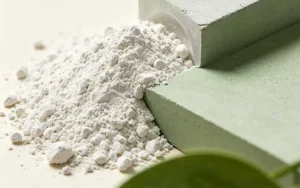
Silikon hidrofobik toz katı bir taşıyıcı matris üzerinde silikon bazlı bir hidrofobik bileşik barındırır. Harç içine kuru olarak karıştırıldığında ve daha sonra şantiyede su ile karıştırıldığında, taşıyıcı dağılır ve aktif silikon moleküllerini serbest bırakır. Bu moleküller hidrolize olarak silanol grupları (Si–OH) oluşturur; bu gruplar, çimento hidrasyon ürünleri, agrega yüzeyleri ve kılcal gözenek duvarlarındaki hidroksil gruplarıyla kimyasal olarak bağlanır. Sonuç olarak, alt tabakaya kovalent bağlarla tutturulmuş nano ölçekli bir silikon ağı oluşur; bu ağ, yüzey enerjisini düşürerek sıvı suyun gözenek duvarlarında damlacıklar halinde toplanmasına ve kılcal hareketle emilememesine neden olur. Gözenekler fiziksel olarak açık kalır ve buhar geçirgenliği korunur, böylece harç nefes alabilir.
Sıvı silan (genellikle çözücü veya emülsiyon içindeki alkiltrialkoksisilan) aynı kimyasal süreci izler, ancak uygulama yöntemi temelden farklıdır. Kuru karışım karıştırıcısına püskürtüldüğünde, toz parçacıklarını ıslatmalı, düzensiz yüzeylere yayılmalı ve kısmen hidrolize olmalıdır. Sıvı faz, uzun süreli karıştırma işlemiyle parçalanması gereken geçici aglomeralar oluşturur ve bu da hidrofobik sıcak noktalar ile işlenmemiş soğuk noktalar bırakır. Taşıyıcı ayrıca kuru karışımın nem dengesini bozabilir ve çimentonun ön hidrasyonuna yol açabilir.
İşte belirleyici fark budur. Toz ve sıvı dozajlamayı karşılaştıran kuru karışım tesisi denemelerinde, tozla beslenen sistemler, sıvı püskürtmeli sistemlere kıyasla her seferinde partiler arası ve parti içi homojenlik açısından daha sıkı sonuçlar elde etmektedir. Bunun nedeni fiziksel bir olgudur: aktif maddeyi taşıyan kuru toz parçacığı, basit bir mekanik karıştırma işlemiyle bir ton kuru harçtaki milyarlarca parçacık arasına dağılır. Sıvı püskürtme damlacıkları ise tek tek parçacıklara çarpmalı, düzensiz yüzeyler üzerinde yayılmalı ve gözenekli agrega tarafından emilmekten kaçınmalıdır. Kuru toz kütlesine püskürtme yoluyla gerçek homojenlik elde etme olasılığı düşüktür ve bu fark, üretim ölçeği büyüdükçe daha da artar.
Üreticiler, tedarikçilerin iddialarına güvenmek yerine, su iticiliğini standartlaştırılmış yöntemlerle doğrulamalıdır. EN 1015-18 standardına göre yapılan su emme testi, sertleşmiş harçın kılcal su emme katsayısını teyit eder; bu, herhangi bir hidrofobik katkı maddesi için temel ölçütüdür. Kıvam, EN 1015-3 standardına göre ölçülerek katkı maddesinin işlenebilirliği bozmadığını doğrular; EN 1015-19 standardına göre yapılan su buharı geçirgenliği testi ise harçın nefes alabilirliğini teyit eder. Bu üç EN standardı kapsamında işlenmemiş bir kontrol numunesiyle karşılaştırılarak değerlendirilen, doğru dozajda silikon hidrofobik toz, işlenebilirliği ve buhar geçirgenliğini korurken su emilimini etkili bir şekilde azalttığını gösterir.
Kuru karışımlardaki sıvı silan, çeşitli bozulma süreçleriyle karşı karşıyadır: Artık nem veya çözücü, çimentonun yavaş hidrasyonunu tetikleyebilir; küçük silan molekülleri standart torbalardan buharlaşabilir; ve serbest sıvı, istiflenmiş paletlerde aşağı doğru göç ederek konsantrasyon gradyanları oluşturabilir. Silikon hidrofobik toz, şantiyede su eklenene kadar aktif bileşenin katı bir taşıyıcıya bağlı kalması nedeniyle tüm bu sorunları ortadan kaldırır.
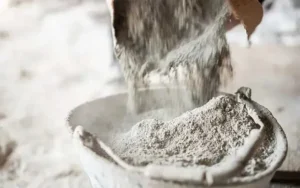
İşleme arasındaki fark çok belirgindir. Toz iş akışı: Tozu tartın (parti ağırlığının 0,1%–1,0%'si kadar), diğer kuru bileşenlerle birlikte karıştırıcıya ekleyin, standart döngü boyunca karıştırın, boşaltın, torbalayın ve sevk edin. Sıvı silan iş akışı: ısıtmalı depolamayı sürdürün, dozaj pompasını kalibre edin, uzun süreli karıştırma sırasında silan püskürtün, topakları kırmak için karıştırmaya devam edin, boşaltılan nemi izleyin, püskürtme nozullarını günlük olarak temizleyin ve buhar bariyerli ambalaj kullanın. Toz form, ısıtmalı depolama, püskürtme, nozul temizliği ve özel ambalajlama gereksinimlerini ortadan kaldırır — bu sayede parti döngü süreleri kısalır, operatörden beklenen beceri düzeyi azalır ve önerilen dozajlarda çimento hidrasyonunu engellemez.
Michem’in Silikon Hidrofobik Tozu, kuru karışım harç, sıva, derz dolgusu, macun ve su yalıtım sistemleri için tasarlanmıştır.
Mülkiyet | Şartname |
Görünüş | Beyaz / kirli beyaz toz |
Etkin madde | Silikon bazlı hidrofobik bileşik |
Yığın yoğunluğu | 300–600 g/L |
Nem | ≤5% |
pH | Nötr ila hafif alkali |
Önerilen doz | Kuru karışımın ağırlıkça %0,1%–1,0% |
Uygulamalar | Harç, sıva, derz dolgusu, macun, su yalıtım sistemleri |
Kaynak: Michem Silikon Hidrofobik Toz ürün özellikleri, michemicals.com. Formülasyonunuz için hedef EN 1015-18 su emme katsayısına göre yerinde testler yaparak dozajı teyit ediniz.
Hattınız yalnızca kuru karıştırma işlemi yapıyorsa, raf ömrü birkaç ayı aşan önceden paketlenmiş harç üretiyorsanız, müşterileriniz partiden partiye tutarlı su iticilik bekliyorsa ve sıvı işleme altyapısına yönelik sermaye yatırımı yapmaktan kaçınmak istiyorsanız toz halini tercih edin. Ayrıca, EN 1015-19 standardına göre buhar geçirgenliğinin önemli olduğu dış cephe sıvaları ve EIFS temel katları gibi nefes alabilen sistemler için ve sıvı silanın viskozitesinin sorun teşkil ettiği soğuk iklimlerdeki tesisler için de uygundur.
Sıvı silan, ıslak karışım veya hemen tüketilen hazır karışımlarda, yüzeye uygulanan (yapıya entegre olmayan) su yalıtımında ya da tamamen amorti edilmiş bir sıvı dozaj hattının halihazırda mevcut olduğu ve geçiş maliyetinin faydasını aştığı durumlarda hâlâ uygun olabilir.
Toz halindeki hammaddenin kilogram başına maliyeti, aktif madde bazında sıvı silanın maliyetini aşabilir; ancak hammadde, maliyet kalemlerinden sadece biridir. Adil bir karşılaştırma, aşağıdaki unsurları dikkate almalıdır:
Sıvı silanın aktif kilogram başına maliyeti daha düşük olsa bile, ekipman, üretim kapasitesi ve kalite maliyetleri genellikle ilk yıl içinde elde edilen tasarrufu aşmaktadır.