
China's leading manufacturer of reinforced polypropylene fibers, offering comprehensive fiber solutions.
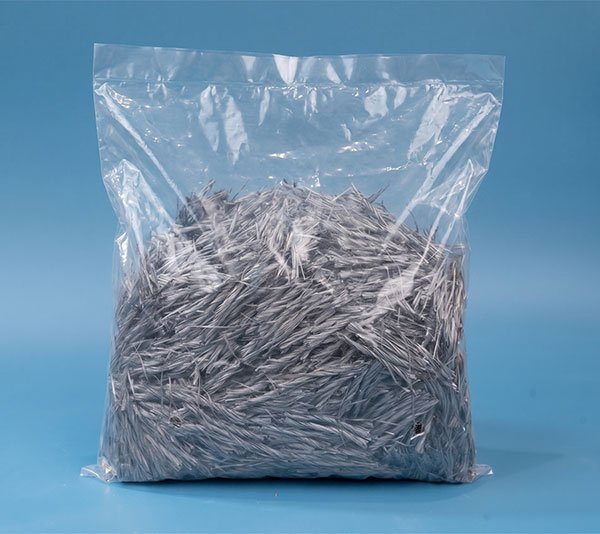
Twisted concrete fiber (also called twisted PP fiber) is a specialized reinforcement material made from 100% virgin polypropylene. Unlike straight fibers, its unique helical twisted shape creates a mechanical interlock with the concrete matrix, drastically improving bond strength, dispersion, and anti-cracking performance.
As noted in the American Concrete Institute (ACI) 544.1R-17 Guide, twisted fibers are 3x more effective at controlling plastic shrinkage cracking than standard straight fibers—making them ideal for high-stress projects like precast components, tunnels, and industrial floors.
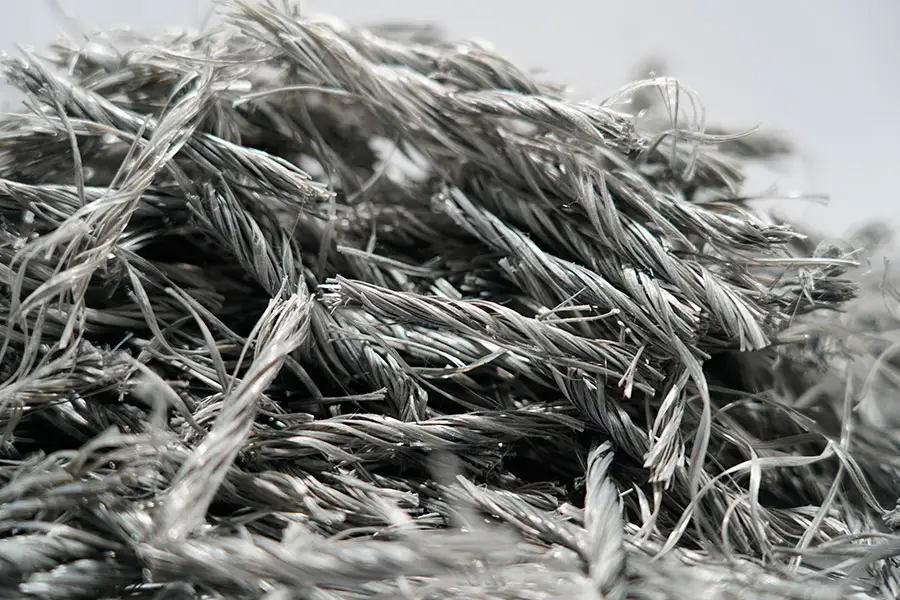
Michem is committed to continuous innovation and providing high-quality twisted fiber solutions for concrete. The following is a summary of product details:
| Fiber Type | Twisted, Macro-Synthetic Fiber |
| Brand | TenaBrix® |
| Raw Material | Polypropylene/polyethylene |
| Color | Gray |
| Length | 38mm, 48mm, 50mm,54mm |
| Tensile Strength | ≥480MPa |
| Elastic Modulus | ≥4000 MPa |
| Specific Gravity | 0.91/ cm3 |
| Alkali, Salt, and Acid Resistance | Excellent |
| Melting Point | 160 °C |
| Water Absorption | Nil |
| Electrical/Thermal Conductivity | Low |
By choosing the right fiber, you can optimize crack resistance, toughness, and durability across a wide range of concrete projects.
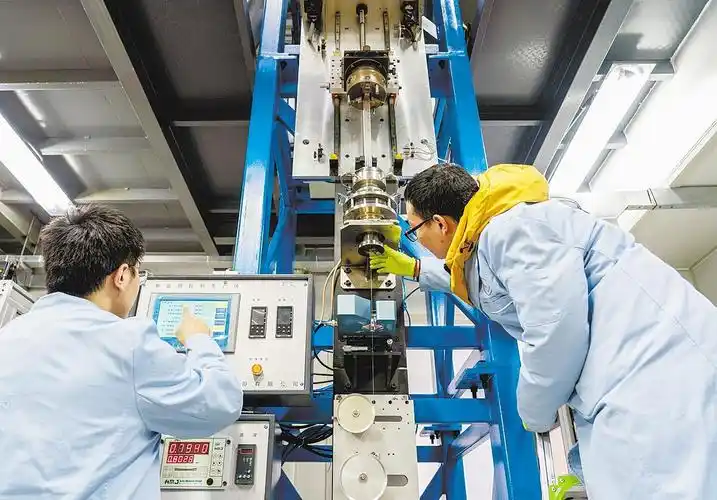
Our twisted fiber undergoes rigorous testing at the China Building Materials Academy and independent labs in Germany. Key results:

All our twisted fiber products meet strict global standards:
This means you can use our twisted fiber in projects across North America, Europe, and Oceania without code compliance issues.
We understand that global projects have unique needs. Our team offers:

With outstanding performance and cost-effectiveness, Polypropylene Fiber is widely recognized as a reliable solution for concrete reinforcement and mortar crack control in construction industries worldwide.
✅ Comprehensive TDS & Brochure – Get in-depth technical details about our fiber.
✅ Free Sample (200g or 400g per bag) – Test our high-quality fiber in your formulations.
✅ Fast & Reliable Delivery – Shipped via FedEx or DHL straight to your door.
✅ Expert Support – Assistance with formula adjustments and technical guidance.
✅ ASTM C1116-03
✅ ASTM D7508
✅ EN 14889-2
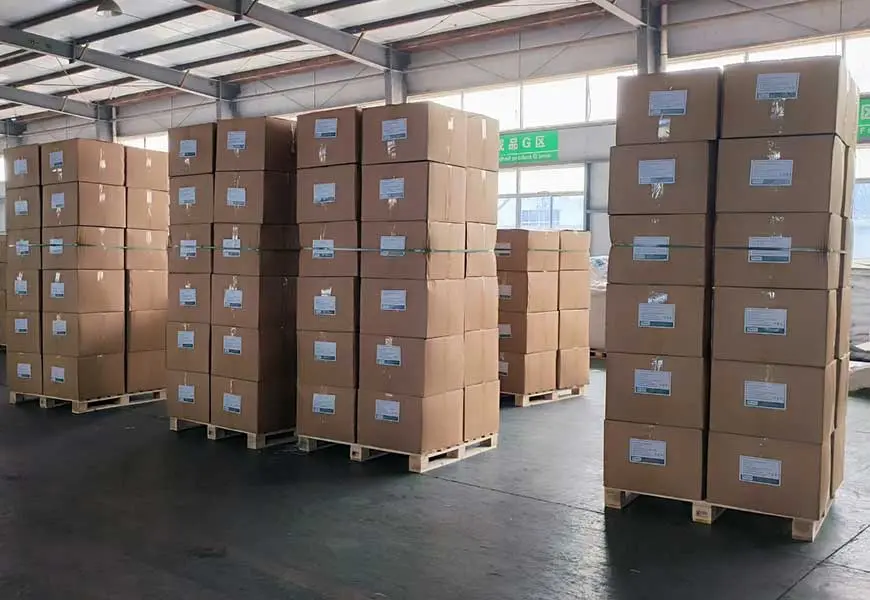
Standard plastic bags (12 mm or thicker): LCL container capacity: 10 tons; High-cube container: 24 tons .
Standard plastic bags (thinner than 9 mm): LCL container capacity: 9 tons; High-cube container: 22.4 tons (560 kg/pallet, 40 pallets total).
| Feature | Michem Twisted Fiber | Standard Straight Fiber |
|---|---|---|
| Concrete Bond Strength | 40% higher (mechanical interlock) | Low (surface friction only) |
| Dispersion Uniformity | 99% (no clumping) | 75% (prone to balling) |
| Anti-Cracking Performance | Reduces cracking by 65% | Reduces cracking by 30% |
| Mixing Ease | Smooth, no extra time needed | Requires 2x longer mixing |


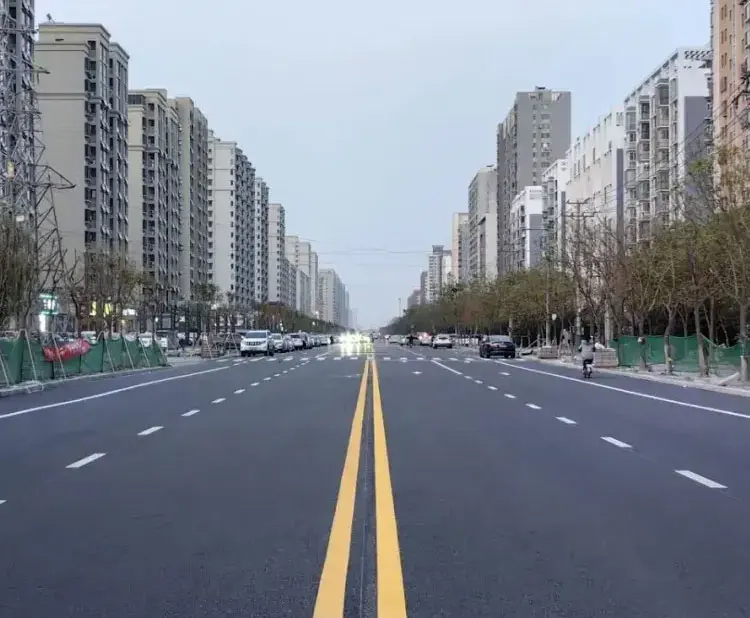
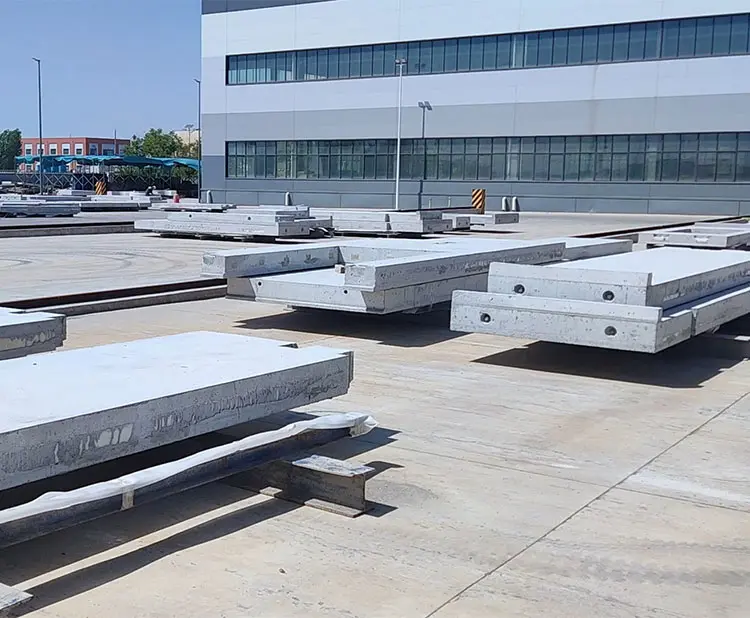
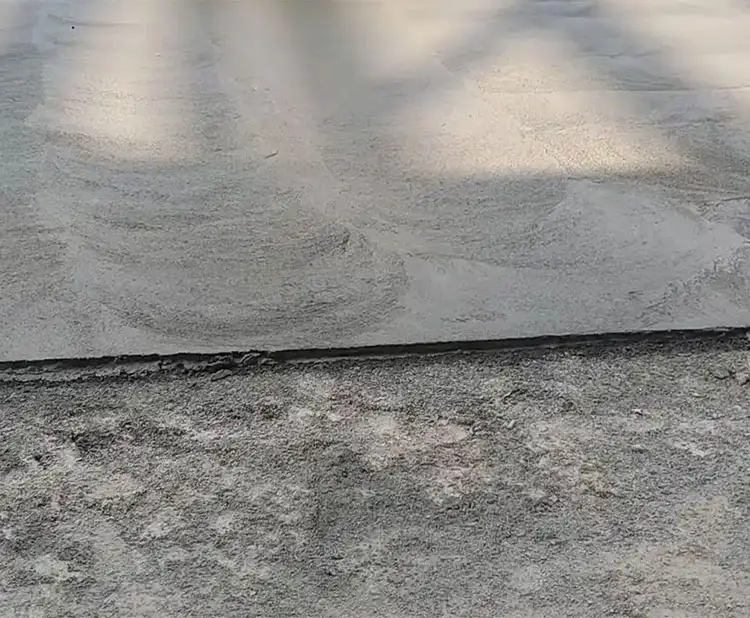
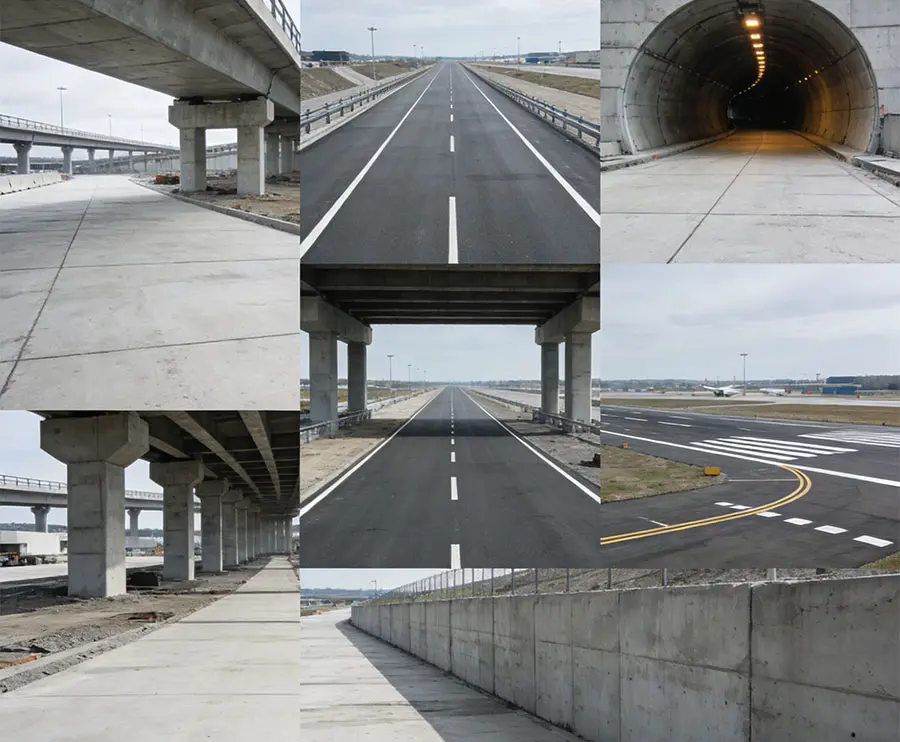
Twisted concrete fiber is used to reinforce concrete structures, reducing plastic and drying shrinkage cracking, improving impact resistance, and extending service life. It’s ideal for precast components, tunnels, industrial floors, and road pavements.
Yes. Our twisted fiber meets ASTM C1116 (USA), EN 14889-2 (EU), and ISO 9001:2015 standards, making it suitable for global construction projects.
Absolutely! We offer free 500g samples to qualified global clients. Contact us to request a sample and get technical data sheets included.
The helical twisted shape creates a mechanical interlock with the concrete matrix, preventing crack propagation. Uniform dispersion ensures every part of the concrete is reinforced, reducing structural damage over time.
Proper dissolution is critical for HEC performance:
Pro Tip: Pre-dispersing in glycerol or alcohol prevents lumping in high-shear systems.
Hydroxyethyl Cellulose pricing depends on:
Price Range (2024):

Submit your formulation system to receive customized selection recommendations.
Samples shipped within 48 hours, accompanied by batch stability comparison reports.
Annual framework agreements enjoy priority scheduling + tiered pricing.
Your inquiries answered within 4 hours. Please include your plant type and monthly volume for a tailored quote.
We will provide professional solutions to you promptly!
The inquiries answered within 4 hours. Please include your plant type and monthly volume for a tailored quote.