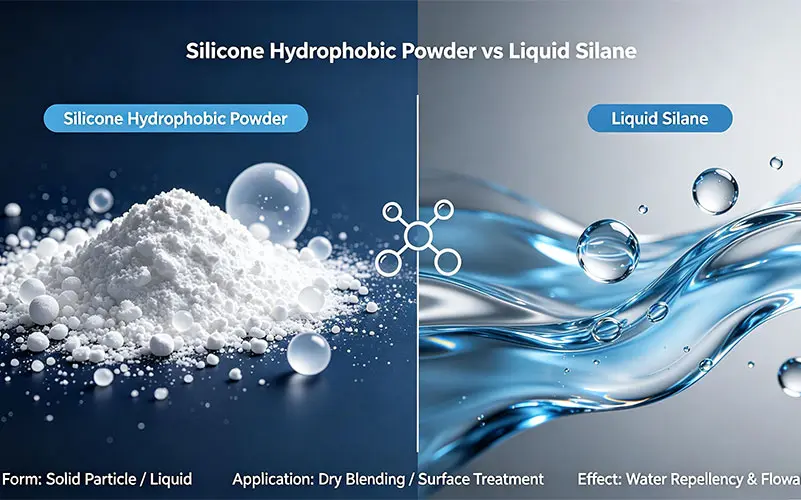
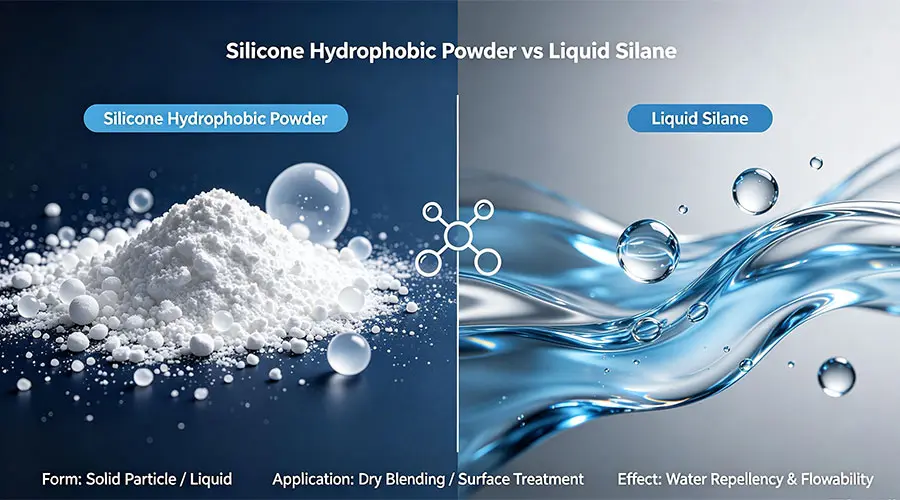
Silaniul lichid urmează o cale diferită. Acesta trebuie pulverizat în malaxor, să umezească particulele individuale și să fie redistribuit printr-o amestecare îndelungată — generând “puncte fierbinți” localizate alături de “puncte reci” insuficient tratate. Suportul lichid poate, de asemenea, să declanșeze o reacție prematură a cimentului, să migreze sub efectul gravitației în paleții stivuiți sau să se volatilizeze prin ambalajul standard, degradând hidrofobicitatea și lucrabilitatea pe durata de valabilitate.
În cazul mortarului uscat, unde produsul ambalat în saci poate rămâne nefolosit luni întregi înainte de utilizare, agentul hidrofug pe bază de silicon sub formă de pulbere oferă trei avantaje pe care silanul lichid nu le poate asigura: distribuție uniformă, termen de valabilitate stabil și simplitate în procesul de producție. Acest lucru îl face alegerea rațională implicită pentru orice producător serios de mortar uscat.
Pentru producătorii de mortar gata preparat, alegerea unui agent hidrofug nu reprezintă doar o preferință chimică secundară — aceasta influențează proiectarea liniei de producție, cheltuielile de capital, uniformitatea calității și satisfacția clienților.
Majoritatea instalațiilor de amestecare a materialelor uscate utilizează malaxoare cu bandă sau malaxoare gravitaționale concepute pentru pulberi uscate. Adaptarea pentru silan lichid presupune instalarea unor rezervoare de stocare încălzite (vâscozitatea silanului crește la temperaturi scăzute), a unor pompe de dozare de precizie, a unor sisteme de pulverizare prin atomizare și a unor cicluri de amestecare prelungite. Cheltuielile de capital și întreținerea continuă a garniturilor de etanșare ale pompelor, a duzelor și a conductelor încălzite devin o povară operațională permanentă.
Calitatea produsului este, de asemenea, în joc. Un sac de mortar gata preparat cu o hidrofugitate inegală duce la o impermeabilizare neuniformă pe șantier — în unele zone apa se scurge în picături, în altele este absorbită. Această inconsistență generează reclamații, lucrări de refacere și prejudicii aduse mărcii, care depășesc cu mult orice economii marginale la substanțele chimice. Deoarece pulberea este un aditiv sub formă de particule uscate, aceasta garantează că fiecare gram de mortar conține doza țintă, distribuită uniform și gata de activare la adăugarea apei. Pentru producătorii a căror reputație se bazează pe performanțe constante, această fiabilitate este de neînlocuit.
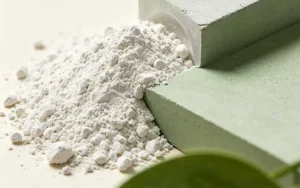
Pudră hidrofobă de silicon conține un compus hidrofob pe bază de silicon pe o matrice solidă de suport. Atunci când este amestecat în stare uscată în mortar și ulterior amestecat cu apă la șantier, suportul se dispersează și eliberează moleculele active de silicon. Acestea se hidrolizează pentru a forma grupări silanol (Si–OH) care se leagă chimic de grupările hidroxil de pe produsele de hidratare ale cimentului, de pe suprafețele agregatelor și de pe pereții porilor capilari. Rezultatul este o rețea de silicon la scară nanometrică ancorată covalent de substrat, care reduce energia de suprafață, astfel încât apa lichidă se adună sub formă de picături pe pereții porilor și nu poate fi absorbită prin acțiunea capilară. Porii rămân deschiși fizic, păstrând permeabilitatea la vapori, astfel încât mortarul să respire.
Silani lichizi (de obicei, alchiltrialcoxisilan în solvent sau emulsie) urmează același proces chimic, dar modul de aplicare diferă fundamental. Pulverizat într-un malaxor pentru amestecuri uscate, acesta trebuie să umezească particulele de pulbere, să se răspândească pe suprafețe neregulate și să se hidrolizeze parțial. Faza lichidă creează aglomerate tranzitorii care trebuie descompuse prin amestecare îndelungată, lăsând în urmă zone hidrofobe și zone netratate. Suportul poate, de asemenea, să perturbe echilibrul de umiditate al amestecului uscat și să prezinte riscul de prehidratare a cimentului.
Acesta este factorul decisiv de diferențiere. În cadrul testelor efectuate în instalațiile de amestecare uscată, care au comparat dozarea sub formă de pulbere cu cea sub formă lichidă, sistemele care utilizează pulbere au obținut în mod constant o uniformitate mai bună atât între loturi, cât și în cadrul aceluiași lot, comparativ cu sistemele care utilizează pulverizarea lichidă. Fizica explică de ce: o particulă de pulbere uscată care conține ingredientul activ se distribuie printre miliardele de particule dintr-o tonă de mortar uscat prin simpla amestecare mecanică. O picătură de lichid pulverizat trebuie să lovească particule individuale, să se răspândească pe suprafețe neregulate și să evite absorbția în agregatul poros. Probabilitatea unei uniformități reale prin pulverizare într-o masă de pulbere uscată este scăzută, iar diferența se accentuează la scară industrială.
În loc să se bazeze pe afirmațiile furnizorilor, producătorii ar trebui să verifice hidrofugitatea prin metode standardizate. Testarea absorbției de apă conform EN 1015-18 confirmă coeficientul de absorbție capilară a apei al mortarului întărit — indicatorul principal pentru orice aditiv hidrofob. Consistența se măsoară conform standardului EN 1015-3 pentru a confirma că aditivul nu afectează lucrabilitatea, iar permeabilitatea la vapori de apă, conform standardului EN 1015-19, confirmă faptul că mortarul rămâne respirabil. O pulbere hidrofobă pe bază de silicon, dozată corespunzător și evaluată în comparație cu o probă martor netratată în conformitate cu aceste trei standarde EN, demonstrează o reducere eficientă a absorbției de apă, menținând în același timp lucrabilitatea și permeabilitatea la vapori.
Silaniul lichid din amestecurile uscate se confruntă cu mai multe căi de degradare: umiditatea reziduală sau solventul pot declanșa o hidratare lentă a cimentului; moleculele mici de silan se pot volatiliza prin pungile standard; iar lichidul liber poate migra în jos în paletele stivuite, creând gradienți de concentrație. Pulberea hidrofobă pe bază de silicon evită toate aceste probleme, deoarece ingredientul activ este legat de un suport solid până la adăugarea apei la locul de lucru.
Contrastul dintre cele două moduri de prelucrare este izbitor. Fluxul de lucru pentru pulbere: se cântărește pulberea (0,1%–1,0% din greutatea lotului), se adaugă în malaxor împreună cu celelalte componente uscate, se amestecă pe durata ciclului standard, se descarcă, se ambalează în saci și se expediază. Fluxul de lucru pentru silanul lichid: mențineți depozitarea la temperatură controlată, calibrați pompa de dozare, pulverizați silan în timpul amestecării prelungite, continuați amestecarea pentru a desface aglomeratele, monitorizați umiditatea evacuată, curățați zilnic duzele de pulverizare și utilizați ambalaje cu barieră împotriva vaporilor. Pulberea elimină necesitatea depozitării la temperatură controlată, a pulverizării, a curățării duzelor și a ambalajelor speciale — cicluri de producție mai scurte, cerințe mai reduse privind calificarea operatorului și nicio interferență cu hidratarea cimentului la dozele recomandate.
Pudra hidrofobă pe bază de silicon de la Michem este concepută pentru mortar de amestec uscat, tencuială, mortar de chituire, pastă de umplutură și sisteme de impermeabilizare.
Proprietate | Specificații |
Aspect | Pulbere albă / alb-murdar |
Substanță activă | Compus hidrofob pe bază de silicon |
Densitatea în vrac | 300–600 g/L |
Umiditate | ≤5% |
pH | Neutru până la ușor alcalin |
Doza recomandată | 0,1%–1,0% din greutatea amestecului uscat |
Aplicații | Mortar, tencuială, mortar de chituire, pastă de chituire, sisteme de impermeabilizare |
Sursă: Specificațiile produsului „Michem Silicone Hydrophobic Powder”, michemicals.com. Confirmați doza prin teste la fața locului, comparând-o cu coeficientul țintă de absorbție a apei prevăzut de standardul EN 1015-18 pentru formularea dumneavoastră.
Alegeți pulberea atunci când linia dumneavoastră permite doar amestecarea uscată, când produceți mortar preambalat cu o durată de valabilitate mai mare de câteva luni, când clienții se așteaptă la o hidrofugitate constantă de la un lot la altul și când doriți să evitați investițiile de capital în infrastructura de manipulare a lichidelor. Este, de asemenea, potrivit pentru sisteme respirabile, cum ar fi tencuielile exterioare și straturile de bază EIFS, unde permeabilitatea la vapori conform EN 1015-19 este importantă, precum și pentru fabricile din zonele cu climă rece, unde vâscozitatea silanului lichid devine o problemă.
Silaniul lichid poate fi în continuare potrivit pentru amestecurile umede sau gata preparate, consumate imediat, pentru impermeabilizarea aplicată la suprafață (nu integrală) sau în cazul în care există deja o linie de dozare a lichidului amortizată integral, iar costurile de schimbare depășesc beneficiile.
Costul materiei prime pe kilogram al pulberii poate depăși cel al silanului lichid, calculat pe baza conținutului activ, însă materia primă reprezintă doar o singură componentă a costurilor. O comparație corectă trebuie să țină seama de:
Chiar și în cazul în care silanul lichid este mai ieftin pe kilogram de substanță activă, costurile legate de echipamente, de capacitatea de producție și de asigurarea calității depășesc, de obicei, economiile realizate încă din primul an.