
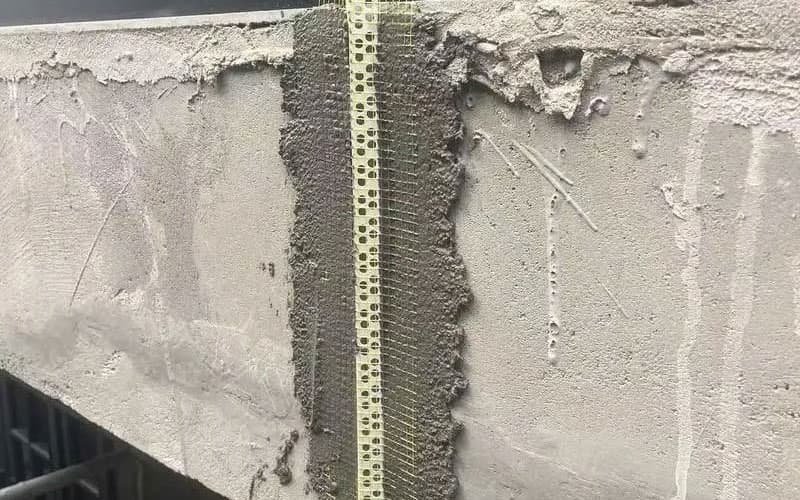
Umiditatea este cauza principală a defectării premature a sistemelor EIFS. Studiile din domeniu indică în mod constant pătrunderea apei ca fiind cauza principală în 70%–85% dintre cererile de garanție și defectele constatate pe teren ale sistemelor EIFS. Atunci când apa pătrunde în sistem, aceasta declanșează o serie de probleme interconectate: mortarul adeziv își pierde rezistența la smulgere atât față de substrat, cât și față de izolație, miezul din EPS sau vată minerală absoarbe apa și își pierde valoarea R, stratul de bază prezintă fisuri și delaminări, iar stratul de finisaj devine un substrat propice pentru mucegai, fungii și alge, care decolorează fațada și degradează calitatea aerului din interior.
Impactul financiar este grav. Remedierea sistemelor EIFS durează, de obicei, 25–60 pe picior pătrat atunci când se includ schelele, demolarea, înlocuirea izolației și reaplicarea — adesea mai mult decât costul inițial de instalare. Pentru o fațadă comercială de 10.000 m², un singur eveniment de defectare cauzat de umiditate poate depăși $2.7M în costuri directe, fără a lua în calcul întreruperea activității, relocarea ocupanților și prejudiciul adus reputației proprietarului clădirii.
Deficiența strategică a majorității specificațiilor EIFS constă în faptul că impermeabilizarea este tratată ca o problemă de suprafață. Tratamentele prin pulverizare cu silan sau siloxan, straturile de grund acrilic și finisajele elastomerice au toate aceeași vulnerabilitate: ele există doar pe fața exterioară. Radiațiile UV degradează polimerul, ciclurile termice fisurează pelicula, iar ploaia purtată de vânt își găsește calea de rezistență minimă prin orice microdefect. Odată ce tratamentul de suprafață cedează, apa pătrunde liber în rețeaua capilară a stratului de bază și a adezivului, iar cascada de defecte începe.
Pudra hidrofobă integrală din silicon elimină această vulnerabilitate încă de la sursă. Prin conferirea unor proprietăți hidrofobe inerente fiecărui strat de mortar al sistemului EIFS — adeziv, strat de bază și strat de finisare — pe întreaga grosime, sistemul beneficiază de o protecție redundantă, multistratificată împotriva umidității, care nu poate fi compromisă de un singur defect de suprafață.
Pentru a înțelege de ce hidrofobicitatea integrală are un caracter transformator, este util să se identifice mecanismele specifice prin care umiditatea distruge un ansamblu EIFS:
Pudra hidrofobă din silicon blochează direct toate cele trei căi, împiedicând încă de la început pătrunderea umezelii în matrice.
Mortarele adezive și de grunduire pentru sistemele EIFS sunt proiectate cu atenție pentru a fi rezistente, flexibile și ușor de aplicat — însă aceste proprietăți necesită o structură capilară definită a porilor. Hidratarea cimentului lasă în urmă o rețea de pori care variază de la pori de tip gel (< 2,5 nm) la pori capilari (10 nm – 10 μm) și până la goluri de aer antrenat (50 μm – 1 mm). Porii capilari reprezintă căile principale de transport al apei, guvernate de ecuația lui Young-Laplace:
ΔP = 2γ cosθ / r
În pasta de ciment netratată, unghiul de contact al apei θ este de aproximativ 25°–35°, astfel încât cosθ este puternic pozitiv. Presiunea capilară atrage în mod activ apa în porii cei mai mici, transportând-o pe întreaga secțiune transversală a mortarului în câteva ore, atunci când una dintre fețe este expusă la ploaie.
Atunci când se adaugă pulbere hidrofobă de silicon, grupările funcționale silanol (–Si–OH) generate în timpul hidrolizei alcaline se condensează cu grupările hidroxil de pe gelul C–S–H și de pe suprafețele de portlandit. Legăturile covalente rezultate –Si–O–Si– și –Si–O–Ca– ancorează tratamentul hidrofob permanent în matricea de ciment. Grupările metil (–CH₃) orientate spre exterior ale lanțului principal de siloxan ridică unghiul de contact cu apa la peste 110°.
La unghiuri de contact mai mari de 90°, cosθ devine negativ, iar semnul presiunii capilare se inversează. În loc să fie atrasă în pori, apa este respinsă în mod activ. Aceiași pori care înainte reprezentau un dezavantaj devin o barieră împotriva umidității — fără a modifica dimensiunea porilor, permeabilitatea la vapori sau rezistența mecanică.
Principalul element care îl diferențiază de tratamentele aplicate la suprafață este distribuția spațială:
Metoda de tratament | Adâncimea de penetrare |
Spray cu silan/siloxan | 2–5 mm |
Grund sau strat de finisare acrilic | folie de 0,05–0,2 mm |
Strat de finisare din elastomer | folie de 0,5–1,5 mm |
Pudră hidrofobă de silicon (integral) | Secțiune transversală completă a mortarului |
Într-un strat de bază aplicat la o grosime de 5–8 mm, efectul hidrofob trebuie să se extindă de la fața exterioară expusă la ploaie, prin ochiurile rețelei, spre interior, până la stratul adeziv. Numai modificarea integrală asigură o protecție pe toată grosimea stratului.
Tratamentele de suprafață nu sunt lipsite de avantaje — ele oferă o opțiune rapidă de remediere după finalizarea lucrărilor. Însă, în cazul construcțiilor noi cu sistem EIFS, comparația este decisivă:
Parametru | Spray cu silan pentru suprafețe | Strat de finisare acrilic/elastomeric | Pudră de silicon Michem (Integral) |
Etapa de depunere a cererii | După întărire, după 28 de zile | Etapa finală de construcție | În timpul amestecării mortarului |
Durata de viață efectivă | Cu 5–10 ani înainte de o nouă aplicare | 8–15 ani, în funcție de radiațiile UV | Peste 30 de ani (corespunde duratei de viață a mortarului) |
Adâncimea de distribuție | 2–5 mm | < 1,5 mm | Secțiune transversală completă |
Dependența de condițiile meteorologice | Necesită condiții uscate și fără vânt | Necesită condiții uscate și blânde | Niciuna — amestecat în interior |
Rezistența la deteriorarea suprafeței | Se pierde atunci când suprafața este străpunsă | Se pierde atunci când pelicula se crăpa sau se exfoliază | Se menține indiferent de situație |
Impactul asupra permeabilității la vapori | Reducere moderată | Reducere semnificativă (50%–80%) | Reducere minimă (< 15%) |
Emisiile de COV | Adesea ridicat (pe bază de solvent) | Moderat | Zero (pulbere uscată) |
Siguranța lucrătorilor | Expunere la solvenți, este necesară purtarea unei măști de protecție | Expunerea la solvenți | Doar echipament de protecție individuală standard împotriva prafului |
Costul total al sistemului pe o perioadă de 50 de ani | Ridicat (reaplicări multiple) | Moderat (o singură strat suplimentar) | Cel mai mic (tratament cu o singură integrală) |
Testele efectuate pe mortare de ciment modificate cu pulbere hidrofobă de silicon 0.3% arată, de obicei, următoarele:
Permeabilitatea la vapori, care rămâne practic neschimbată, este esențială pentru sistemele EIFS. Modificarea integrală cu silicon permite ansamblului să se usuce între episoadele de ploaie, menținând conținutul de umiditate de echilibru cu mult sub pragul la care ar putea apărea dezvoltarea organismelor biologice sau deteriorarea cauzată de îngheț-dezgheț.
Proprietate | Valoare |
Numele produsului | Michem Pudră hidrofobă de silicon |
Aspect | Pulbere fluidă de culoare albă până la alb-deschis |
Ingredient activ | Compus hidrofob pe bază de silicon |
Densitate în vrac | 300–600 g/L |
Conținutul de umezeală | ≤ 5% |
pH | Neutru până la ușor alcalin |
Doza recomandată | 0,1%–1,0% în greutate de liant cimentoasă |
Aplicații principale | Mortar, tencuială, mortar de chituire, pastă de umplutură, sisteme de impermeabilizare, adeziv și strat de bază pentru sisteme EIFS |
Ambalaje | Pungi de hârtie cu mai multe straturi sau saci pentru mărfuri în vrac |
Toate valorile sunt reprezentative și se bazează pe specificațiile actuale de producție. Contactați Michem pentru a obține certificatul de analiză corespunzător lotului dumneavoastră.
EIFS este un sistem multistrat, iar fiecare strat are un rol și un profil de expunere diferite. Doza de pulbere hidrofobă trebuie adaptată în funcție de riscul specific al fiecărui strat:
Stratul EIFS | Grosime tipică | Doza recomandată | Justificare |
Mortar adeziv (aderent la substrat) | 3–5 mm | 0.3%-0.5% | Contact direct cu substratul; risc ridicat de ascensiune capilară din zidărie sau substratul din beton |
Strat de bază armat (cu plasă încorporată) | 5–8 mm | 0.3%-0.5% | Cel mai mare strat expus la umiditate; susține plasa și absoarbe solicitările generate de ciclurile termice |
Strat de finisare (tencuială decorativă) | 2–4 mm | 0.2%–0.3% | O doză mai mică menține lucrabilitatea pentru finisarea cu mistria sau texturarea; RDP asigură deja rezistența la apă a peliculei |
Grund/strat de bază (opțional) | < 1 mm | 0.1%–0.2% | Protecție ușoară a suprafeței, fără formarea unui strat care să afecteze aderența stratului de finisare |
Formula de calcul (pe metru cub de mortar):
Masa pulberii (kg) = Liant cimentoasă (kg/m³) × Dozaj (%)
Strat | Liant (kg/m³) | Dozaj | Pulbere (kg/m³) |
Mortar adeziv | 350 | 0.4% | 1.40 |
Strat de bază | 300 | 0.4% | 1.20 |
Strat de finisare | 280 | 0.25% | 0.70 |
Componentă | Piese în funcție de greutate | kg pe lot de 1000 kg |
OPC CEM I 42,5R | 100 | 250 |
Nisip de siliciu cernut (0,1–0,4 mm) | 280 | 700 |
Carbonat de calciu (5–20 μm) | 25 | 62.5 |
MikaVAE RDP (Tg scăzut, clasă EIFS) | 6 | 15 |
HPMC (modificator de vâscozitate) | 0.3 | 0.75 |
Fibră PP (6 mm) | 0.15 | 0.38 |
Pudră hidrofobă din silicon Michem | 0,4 (0,41 TP3T de liant) | 1.00 |
Apă (se adaugă până se obține consistența dorită) | ~60 | ~150 |
Performanța țintă pentru stratul de bază: