
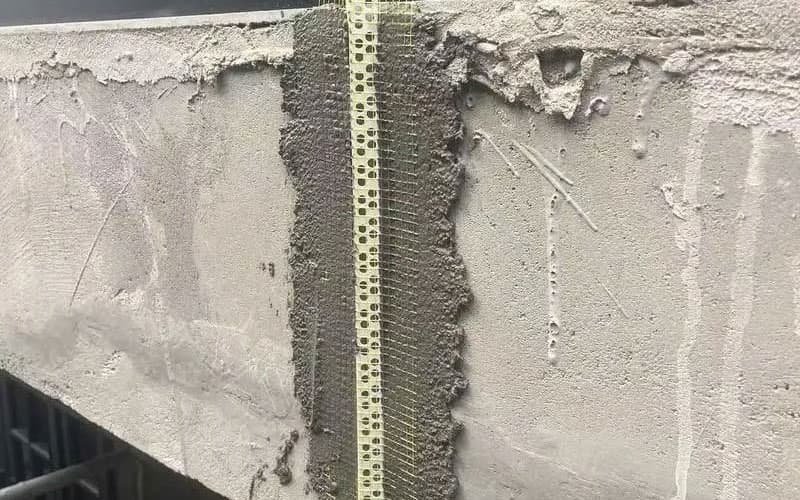
Wilgoć jest główną przyczyną przedwczesnych uszkodzeń systemów EIFS. Badania branżowe konsekwentnie wskazują, że przedostawanie się wody stanowi podstawową przyczynę od 70% do 85% roszczeń gwarancyjnych dotyczących systemów EIFS oraz awarii w terenie. Gdy woda przedostaje się do systemu, wywołuje to lawinę powiązanych ze sobą problemów: zaprawa klejąca traci przyczepność zarówno do podłoża, jak i do izolacji, rdzeń z EPS lub wełny mineralnej wchłania wodę i traci współczynnik R, warstwa podkładowa pęka i ulega rozwarstwieniu, a warstwa wierzchnia staje się pożywką dla pleśni, grzybów i glonów, które powodują odbarwienie elewacji i pogarszają jakość powietrza w pomieszczeniach.
Skutki finansowe są poważne. Remont systemu EIFS zazwyczaj kosztuje 25–60 na stopę kwadratową, jeśli uwzględni się koszty rusztowań, rozbiórki, wymiany izolacji i ponownego montażu — często jest to kwota wyższa niż pierwotny koszt instalacji. W przypadku fasady obiektu komercyjnego o powierzchni 10 000 m² pojedyncze zdarzenie związane z uszkodzeniem spowodowanym wilgocią może generować koszty bezpośrednie przekraczające $2,7M, nie uwzględniając jeszcze zakłóceń w działalności, konieczności przeniesienia najemców oraz utraty reputacji właściciela budynku.
Strategiczną wadą większości specyfikacji systemów EIFS jest to, że hydroizolację traktuje się jako problem powierzchniowy. Zarówno powłoki silanowe lub siloksanowe nakładane natryskowo, jak i akrylowe podkłady oraz powłoki elastomerowe mają tę samą słabość: występują wyłącznie na najbardziej zewnętrznej warstwie. Promieniowanie UV powoduje degradację polimeru, cykle termiczne powodują pękanie powłoki, a deszcz napędzany wiatrem znajduje drogę najmniejszego oporu przez każdą mikrowadę. Gdy powłoka powierzchniowa ulegnie uszkodzeniu, woda swobodnie przedostaje się do sieci kapilarnej warstwy podkładowej i kleju, co rozpoczyna kaskadę uszkodzeń.
Hydrofobowy proszek silikonowy Integral eliminuje tę słabość u źródła. Dzięki temu, że każda warstwa zaprawy w systemie EIFS — warstwa klejąca, podkładowa i wykończeniowa — jest z natury wodoodporna na całej grubości, system zyskuje wielowarstwową, nadmiarową ochronę przed wilgocią, której nie jest w stanie pokonać pojedyncza wada powierzchniowa.
Aby zrozumieć, dlaczego integralna hydrofobowość ma tak przełomowe znaczenie, warto przeanalizować konkretne mechanizmy, poprzez które wilgoć niszczy konstrukcję systemu EIFS:
Hydrofobowy proszek silikonowy bezpośrednio blokuje wszystkie trzy szlaki, zapobiegając już na samym początku przedostawaniu się wilgoci do matrycy.
Zaprawy klejące i podkładowe do systemów EIFS zostały starannie opracowane tak, aby były wytrzymałe, elastyczne i łatwe w obróbce — jednak te właściwości wymagają określonej struktury porów kapilarnych. W wyniku hydratacji cementu powstaje sieć porów, od porów żelowych (< 2,5 nm) przez pory kapilarne (10 nm – 10 μm) aż po pęcherzyki powietrza (50 μm – 1 mm). Pory kapilarne stanowią drogi transportu wody, których zachowanie opisuje równanie Younga-Laplace’a:
ΔP = 2γ cosθ / r
W nieobrobionej paście cementowej kąt zwilżania wody θ wynosi około 25°–35°, więc cosθ ma wartość zdecydowanie dodatnią. Ciśnienie kapilarne aktywnie wciąga wodę do najmniejszych porów, przenosząc ją w ciągu kilku godzin przez cały przekrój zaprawy, gdy jedna z jej powierzchni jest narażona na działanie deszczu.
Po dodaniu hydrofobowego proszku silikonowego funkcjonalne grupy silanolowe (–Si–OH), powstałe w trakcie hydrolizy alkalicznej, ulegają kondensacji z grupami hydroksylowymi na powierzchni żelu C–S–H oraz portlanditu. Powstałe wiązania kowalencyjne –Si–O–Si– i –Si–O–Ca– trwale zakotwiczają powłokę hydrofobową w matrycy cementowej. Skierowane na zewnątrz grupy metylowe (–CH₃) szkieletu siloksanowego zwiększają kąt zwilżania powyżej 110°.
Przy kątach zwilżania większych niż 90° wartość cosθ staje się ujemna, a znak ciśnienia kapilarnego ulega odwróceniu. Woda nie jest już wciągana do porów, lecz jest aktywnie odpychana. Te same pory, które wcześniej stanowiły wadę, stają się barierą przeciwwilgociową — bez zmiany wielkości porów, przepuszczalności pary wodnej ani wytrzymałości mechanicznej.
Kluczowym czynnikiem odróżniającym tę metodę od zabiegów stosowanych na powierzchni jest rozkład przestrzenny:
Metoda leczenia | Głębokość penetracji |
Spray silanowo-siloksanowy | 2–5 mm |
Podkład akrylowy lub warstwa nawierzchniowa | Folia o grubości 0,05–0,2 mm |
Elastomerowa warstwa wierzchnia | warstwa o grubości 0,5–1,5 mm |
Silikonowy proszek hydrofobowy (całkowa) | Pełny przekrój zaprawy murarskiej |
W warstwie podkładowej o grubości 5–8 mm efekt hydrofobowy musi rozciągać się od zewnętrznej powierzchni narażonej na działanie deszczu, przez siatkę, aż do warstwy klejącej. Tylko modyfikacja integralna zapewnia ochronę na całej grubości.
Zabiegi powierzchniowe mają swoje zalety — stanowią szybkie rozwiązanie pozwalające na naprawę po zakończeniu budowy. Jednak w przypadku nowych konstrukcji z systemem EIFS porównanie to ma decydujące znaczenie:
Parametr | Spray silanowy do powierzchni | Powłoka nawierzchniowa akrylowo-elastomerowa | Proszek silikonowy Michem (Integral) |
Etap składania wniosków | Po zakończeniu utwardzania, po 28 dniach | Ostatni etap budowy | Podczas mieszania zaprawy |
Okres użytkowania | 5–10 lat przed ponownym nałożeniem | 8–15 lat, w zależności od promieniowania UV | Ponad 30 lat (odpowiada trwałości zaprawy) |
Głębokość dystrybucji | 2–5 mm | < 1,5 mm | Pełny przekrój poprzeczny |
Zależność od pogody | Wymaga suchych i spokojnych warunków | Wymaga suchych i łagodnych warunków | Brak — mieszane w pomieszczeniach |
Odporność na uszkodzenia powierzchni | Utrata sygnału w przypadku naruszenia powierzchni | Utrata jakości w przypadku pękania lub łuszczenia się powłoki | Utrzymywane niezależnie od tego |
Wpływ na przepuszczalność pary | Umiarkowane zmniejszenie | Znaczące zmniejszenie (50%–80%) | Minimalna redukcja (< 15%) |
Emisje lotnych związków organicznych | Często wysoka (na bazie rozpuszczalnika) | Umiarkowany | Zero (proszek suchy) |
Bezpieczeństwo pracowników | Narażenie na działanie rozpuszczalników, wymagane stosowanie maski oddechowej | Narażenie na działanie rozpuszczalników | Wyłącznie standardowe środki ochrony indywidualnej przed pyłem |
Całkowity koszt systemu w okresie 50 lat | Wysoki (wielokrotne ponowne składanie wniosków) | Umiarkowane (jedna dodatkowa warstwa) | Najniższy (leczenie za pomocą jednej integralnej metody) |
Badania zapraw cementowych modyfikowanych proszkiem silikonowym o właściwościach hydrofobowych 0,3% zazwyczaj wykazują:
Praktycznie niezmieniona przepuszczalność pary wodnej ma kluczowe znaczenie dla systemów EIFS. Zintegrowana modyfikacja silikonowa pozwala na wyschnięcie konstrukcji między opadami deszczu, utrzymując równowagową wilgotność znacznie poniżej progu sprzyjającego rozwojowi organizmów żywych lub uszkodzeniom spowodowanym zamarzaniem i rozmrażaniem.
Nieruchomość | Wartość |
Nazwa produktu | |
Wygląd | Biały do białawego sypki proszek |
Składnik aktywny | Związek hydrofobowy na bazie silikonu |
Gęstość nasypowa | 300–600 g/l |
Zawartość wilgoci | ≤ 5% |
pH | Od neutralnego do lekko zasadowego |
Zalecane dawkowanie | 0,1%–1,0% w stosunku wagowym do spoiwa cementowego |
Główne zastosowania | Zaprawa, tynk, zaprawa fugowa, szpachlówka, systemy hydroizolacyjne, klej do systemów EIFS oraz warstwa podkładowa |
Opakowanie | Wielowarstwowe torby papierowe lub worki do transportu luzem |
Wszystkie wartości są typowe i oparte na aktualnych specyfikacjach produkcyjnych. Aby uzyskać certyfikat analizy dla konkretnej partii, prosimy o kontakt z firmą Michem.
EIFS to system wielowarstwowy, a każda warstwa pełni inną rolę i charakteryzuje się innym profilem narażenia. Dawkę proszku hydrofobowego należy dostosować do konkretnego ryzyka związanego z każdą warstwą:
Warstwa EIFS | Typowa grubość | Zalecane dawkowanie | Uzasadnienie |
Zaprawa klejąca (przyczepność do podłoża) | 3–5 mm | 0.3%-0.5% | Bezpośredni kontakt z podłożem; wysokie ryzyko kapilarnego wnikania wilgoci z podłoża murowanego lub betonowego |
Wzmocniona warstwa podkładowa (z wbudowaną siatką) | 5–8 mm | 0.3%-0.5% | Największa warstwa narażona na działanie wilgoci; utrzymuje siatkę i pochłania naprężenia wynikające z cykli termicznych |
Warstwa wykończeniowa (tynk dekoracyjny) | 2–4 mm | 0.2%–0.3% | Niższa dawka pozwala zachować plastyczność niezbędną do wykończenia za pomocą pacy lub nadania faktury; RDP zapewnia już wodoodporność powłoki |
Podkład/warstwa bazowa (opcjonalnie) | < 1 mm | 0.1%–0.2% | Lekka ochrona powierzchni bez tworzenia warstwy, która mogłaby zakłócać przyczepność warstwy wykończeniowej |
Wzór obliczeniowy (na metr sześcienny zaprawy):
Masa proszku (kg) = Spoiwo cementowe (kg/m³) × Dawka (%)
Warstwa | Spoiwo (kg/m³) | Dawkowanie | Proszek (kg/m³) |
Zaprawa klejąca | 350 | 0.4% | 1.40 |
Podkład | 300 | 0.4% | 1.20 |
Warstwa wykończeniowa | 280 | 0.25% | 0.70 |
Komponent | Części według wagi | kg na partię o masie 1000 kg |
OPC CEM I 42,5R | 100 | 250 |
Piasek krzemionkowy sortowany (0,1–0,4 mm) | 280 | 700 |
Węglan wapnia (5–20 μm) | 25 | 62.5 |
MikaVAE RDP (niska temperatura Tg, klasa EIFS) | 6 | 15 |
HPMC (środek modyfikujący lepkość) | 0.3 | 0.75 |
Włókno PP (6 mm) | 0.15 | 0.38 |
Hydrofobowy proszek silikonowy Michem | 0,4 (0,41 TP3T spoiwa) | 1.00 |
Woda (dodać tyle, by uzyskać odpowiednią konsystencję) | ~60 | ~150 |
Wymagane parametry powłoki bazowej: