
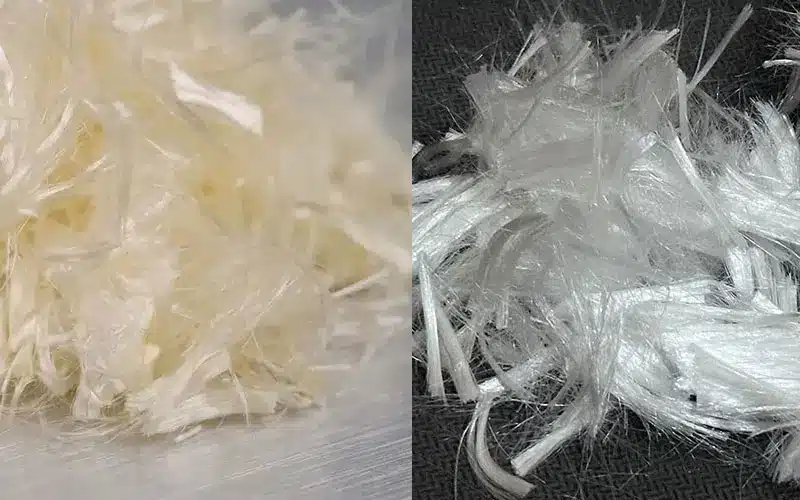
Oto bezpośrednie porównanie oparte na zweryfikowanych danych dotyczących produktów firmy Michem:
Podsumowując: W przypadku infrastruktury, konstrukcji ognioodpornych oraz posadzek przemysłowych narażonych na działanie wysokich temperatur należy stosować włókno Michem PAN. W przypadku betonu wylewanego w temperaturze pokojowej, gdzie istotnym czynnikiem jest koszt i wystarczające jest standardowe zabezpieczenie przed pęknięciami skurczowymi, należy stosować włókno TenaBrix® PP.
W projektach infrastrukturalnych nie ma miejsca na awarie materiałowe. Wyściółka tunelu narażona na działanie ciepła spalin samochodowych, posadzka przemysłowa pod hutą metali czy prefabrykowany panel elewacyjny w przypadku pożaru w wieżowcu – wszystkie te elementy wymagają wzmocnienia, które wytrzyma wzrost temperatury. Wybór włókna PP w zastosowaniach narażonych na działanie wysokich temperatur stanowi błąd projektowy, który może prowadzić do nagłej utraty kontroli nad pękaniem, odpryskiwania oraz przyspieszonego niszczenia konstrukcji.
Światowa branża budowlana przechodzi na specyfikacje oparte na parametrach użytkowych. Inżynierowie, wykonawcy i producenci betonu muszą znać dokładne granice właściwości termicznych i mechanicznych każdego rodzaju włókna przed opracowaniem receptur mieszanek. Niniejsze porównanie zawiera zweryfikowane dane dotyczące konkretnych produktów — a nie ogólne deklaracje dotyczące włókien — które pomogą w podjęciu tej decyzji.
Włókno Michem PAN składa się z poliakrylonitrylu 100%, liniowego polimeru z sztywną grupą boczną nitrylową (-C≡N). Struktura ta zapewnia silne siły międzycząsteczkowe oraz gęste upakowanie cząsteczek, co zapewnia odporność na zmiękczenie pod wpływem temperatury oraz na działanie czynników chemicznych. Grupy nitrylowe zapewniają polaryzację i stabilność chemiczną w środowiskach alkalicznych.
Włókno TenaBrix® PP składa się z polipropylenu, niepolarnego polimeru węglowodorowego z grupą boczną metylową. Prosta struktura szkieletu węglowego PP zapewnia niską gęstość (0,91 g/cm³) oraz dobrą odporność chemiczną na kwasy, jednak materiał ten jest podatny na utlenianie i mięknięcie w podwyższonych temperaturach. Brak grup polarnych sprawia, że PP jest mniej odporny na hydrolizę alkaliczną w przypadku długotrwałego narażenia.
Właściwości termiczne są najważniejszym czynnikiem odróżniającym te dwa rodzaje włókien:
| Nieruchomość | Włókno Michem PAN | Włókno TenaBrix® PP |
|---|---|---|
| Odporność na wysoką temperaturę | ≥200 °C | Temperatura topnienia 160 °C |
| Właściwości termiczne | Zapewnia integralność strukturalną | Zmiękcza i rozpuszcza się |
| Narażenie na ogień | Wytrzymuje krótkotrwałe działanie ognia | Traci zdolność do wzmocnienia |
| Podłogi przemysłowe | Nadaje się do obszarów, w których stosowane są procesy na gorąco | Ryzyko stopienia pod wpływem źródeł ciepła |
Odporność termiczna włókna PAN wynosząca ≥200°C wynika ze zdolności grupy nitrylowej do tworzenia termicznie stabilnych struktur drabinkowych podczas łagodnego utleniania. Natomiast obszary krystaliczne PP zaczynają mięknąć w temperaturze około 160°C, a włókno całkowicie traci swoją nośność. Dlatego właśnie włókno PAN jest zalecane do wyściółka tuneli, górnictwo podziemne oraz posadzki przemysłowe gdzie występuje wytwarzanie ciepła lub zagrożenie pożarowe.
Moduł sprężystości określa, jak skutecznie włókno hamuje rozszerzanie się pęknięcia. Moduł sprężystości włókna TenaBrix® PP, wynoszący ≥4 500 MPa, jest nieco wyższy niż moduł sprężystości włókna Michem PAN, wynoszący ≥4 000 MPa. Oznacza to, że przy tej samej objętości i rozkładzie włókien włókno PP zapewnia nieznacznie większą sztywność w zakresie sprężystości — pod warunkiem, że temperatura utrzyma się znacznie poniżej temperatury topnienia.
Jednak w zakresie temperatur 80–160 °C moduł sprężystości włókna PP gwałtownie spada, podczas gdy włókno PAN pozostaje stabilne. W temperaturze 160 °C moduł sprężystości włókna PP wynosi zero (włókno ulega stopieniu). W temperaturze 200°C włókno PAN nadal zachowuje pełną wytrzymałość strukturalną. W przypadku zapotrzebowania na wysoki moduł sprężystości w temperaturze pokojowej odpowiednie jest włókno PP TenaBrix®. W przypadku zapotrzebowania na wysoki moduł sprężystości w szerokim zakresie temperatur jedynym niezawodnym wyborem jest włókno PAN firmy Michem.
Oba rodzaje włókien charakteryzują się minimalną wytrzymałością na rozciąganie wynoszącą ≥500 MPa. Firma Michem rozszerza tę ofertę o specjalistyczne gatunki włókien PAN:
Włókno TenaBrix® PP charakteryzuje się wydłużeniem przy zerwaniu wynoszącym 20–25%, co stanowi wartość znacznie wyższą od typowego wydłużenia włókna PAN. Ta wysoka wydłużalność sprawia, że włókno PP jest bardziej elastyczne podczas mieszania i pompowania betonu, ale mniej skuteczne w mostkowaniu wąskich pęknięć w stwardniałym betonie. Niższa wydłużalność włókna PAN przekłada się na lepszą skuteczność mostkowania pęknięć po ich powstaniu.
Woda porowa betonu jest nasycona wodorotlenkiem wapnia o pH 12,5–13,5. W wyniku wieloletniego oddziaływania tego środowiska dochodzi do niszczenia włókien nieodpornych na jego działanie.
Ta różnica wyjaśnia, dlaczego włókno PAN jest zalecane do Infrastruktura o trwałości od 50 do 100 lat (zapory, mosty, kolej dużych prędkości), podczas gdy włókno PP jest zazwyczaj dopuszczane do stosowania w Zastosowania o żywotności 10–15 lat (płyty fundamentowe budynków mieszkalnych, chodniki, nawierzchnie).
Obie rodziny włókien posiadają międzynarodowe certyfikaty, jednak normy, które spełniają, odzwierciedlają ich różne obszary zastosowań:
| Standard | Włókno Michem PAN | Włókno TenaBrix® PP |
|---|---|---|
| ASTM C1116 | Certyfikowany | — |
| EN 14889-2 | Certyfikowany | — |
| ISO 9001:2015 | Certyfikowany | — |
| GB/T 21120 | Certyfikowany | — |
Szerszy zakres certyfikacji włókna PAN (ASTM C1116, EN 14889-2, ISO 9001:2015, GB/T 21120) odzwierciedla jego zastosowanie w konstrukcjach budowlanych i infrastrukturze, gdzie zgodność z przepisami jest obowiązkowa.
| Parametr | Włókno Michem PAN | Włókno TenaBrix® PP |
|---|---|---|
| Marka | Michem | TenaBrix® |
| Skład | 100% Poliakrylonitryl | Polipropylen |
| Średnica | 14–18 μm | 30–32 μm |
| Dostępne długości | 3 mm, 6 mm, 12 mm, 18 mm | 3 mm, 6 mm, 9 mm, 12 mm, 18 mm, 19 mm |
| Wytrzymałość na rozciąganie | ≥500 MPa (standardowe); ≥800 MPa (o wysokim module sprężystości) | ≥500 MPa |
| Moduł sprężystości | ≥4 000 MPa | ≥4 500 MPa |
| Wydłużenie | Niski (typowy dla PAN) | 20–25% |
| Odporność na ciepło | ≥200 °C | Temperatura topnienia 160 °C |
| Gęstość | ~1,18 g/cm³ | 0.91 |
| Odporność na działanie alkaliów | ≥98% (standardowe); ≥99% (powlekane) | ~60% (beton długotrwały) |
| Wygląd | Jasnożółty | Typowe włókno PP, białe/przezroczyste |
| Standardowa dawka | W zależności od projektu (zazwyczaj 0,9–1,5 kg/m³) | 0,6-0,9 kg/m³ |
| Certyfikaty | ASTM C1116, EN 14889-2, ISO 9001:2015, GB/T 21120 | — |
| Rodzaje produktów | Wysoki moduł sprężystości (≥800 MPa), odporność na alkalia (≥750 MPa, powlekane), krótkie cięcie (≥700 MPa) | Standardowe włókno PP |
Wszystkie dane pochodzą ze stron produktów serwisu michemicals.com. Nie należy wykorzystywać ich do projektowania konstrukcji bez przeprowadzenia badań dostosowanych do konkretnego projektu i uzyskania zgody inżyniera.
Należy określić światłowód typu PAN, gdy spełniony jest co najmniej jeden z poniższych warunków:
Należy zastosować włókno TenaBrix® PP, gdy spełnione są następujące warunki:
W przypadku betonu z włóknami PAN:
W przypadku betonu z włóknami PP:
| Zastosowanie | Dawkowanie włókien Michem PAN | Dawkowanie włókna TenaBrix® PP |
|---|---|---|
| Beton ogólnego zastosowania (płyty, nawierzchnie) | 0,9-1,2 kg/m³ | 0,6-0,9 kg/m³ |
| Wyłożenie tunelu / beton natryskowy | 1,0-1,5 kg/m³ | Nie zalecane (ryzyko związane z wysoką temperaturą) |
| Posadzki przemysłowe (środowiska o wysokiej temperaturze) | 1,2–1,5 kg/m³ | Nie zalecane |
| Prefabrykowane elementy konstrukcyjne | 1,0–1,2 kg/m³ | 0,6–0,9 kg/m³ (jeśli materiał nie jest ognioodporny) |
| Konstrukcje morskie i przybrzeżne | 1,2–1,5 kg/m³ (gatunek powlekany) | Nie zalecane (ryzyko działania alkalicznego) |