
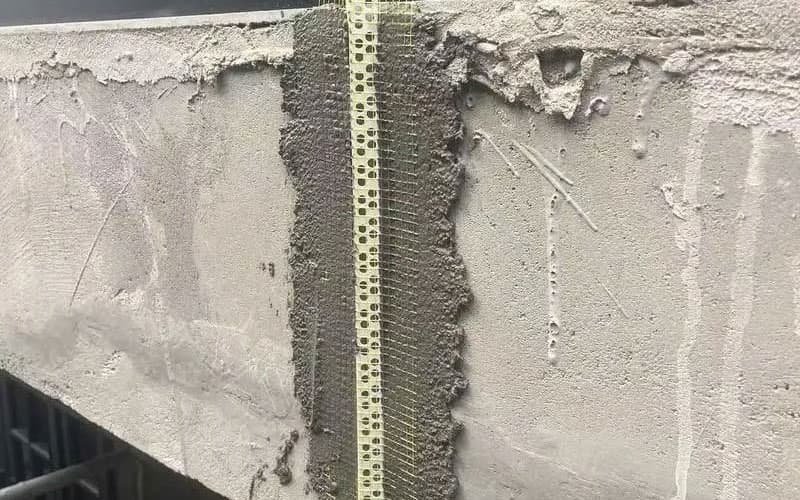
تعد الرطوبة السبب الأول لفشل نظام EIFS قبل الأوان. وتصنف الدراسات الصناعية باستمرار تسرب المياه باعتباره السبب الجذري في ما بين 70% و85% من مطالبات الضمان وحالات الفشل الميدانية المتعلقة بنظام EIFS. وعندما تتسرب المياه إلى النظام، فإنها تؤدي إلى سلسلة متتالية من المشكلات المترابطة: يفقد الملاط اللاصق قوة التثبيت على كل من الركيزة والعازل، ويمتص قلب EPS أو الصوف المعدني الماء ويفقد قيمة R، وتظهر تشققات وتفككات في الطبقة الأساسية، وتصبح الطبقة النهائية بيئة مواتية لتكاثر العفن والعفن الفطري والطحالب التي تغير لون الواجهة وتؤدي إلى تدهور جودة الهواء الداخلي.
التأثير المالي جسيم. وعادةً ما تستغرق أعمال إصلاح أنظمة العزل الخارجي (EIFS) 25–60 لكل قدم مربع عند احتساب تكاليف السقالات والهدم واستبدال العزل وإعادة التركيب — وغالبًا ما تتجاوز هذه التكلفة تكلفة التركيب الأصلية. بالنسبة لواجهة تجارية تبلغ مساحتها 10,000 متر مربع، يمكن أن تتجاوز التكلفة المباشرة لحادثة عطل واحدة ناجمة عن الرطوبة $2.7M، وذلك قبل احتساب تكاليف تعطل الأعمال، وإعادة توطين شاغلي المبنى، والضرر الذي يلحق بسمعة مالك المبنى.
يكمن الخلل الاستراتيجي في معظم مواصفات أنظمة العزل الخارجي (EIFS) في التعامل مع العزل المائي على أنه مشكلة سطحية. فالمعالجات التي تُرش بالسيلان أو السيلوكسان، والطبقات التمهيدية الأكريلية، والطلاءات النهائية المرنة، تشترك جميعها في نفس نقطة الضعف: فهي موجودة فقط على السطح الخارجي. تؤدي الأشعة فوق البنفسجية إلى تدهور البوليمر، وتسبب التقلبات الحرارية تشققات في الطبقة الرقيقة، بينما تجد الأمطار المدفوعة بالرياح مسارًا أسهل عبر أي عيب دقيق. وبمجرد فشل المعالجة السطحية، يتحرك الماء بحرية عبر الشبكة الشعرية للطبقة الأساسية والمادة اللاصقة، وتبدأ سلسلة الأعطال المتتالية.
يعمل مسحوق السيليكون المتكامل المقاوم للماء على القضاء على هذه النقطة الضعيفة من مصدرها. فمن خلال جعل كل طبقة من طبقات ملاط نظام EIFS — سواء كانت طبقة لاصقة أو طبقة أساسية أو طبقة تشطيب — مقاومة للماء بطبيعتها على طول سمكها بالكامل، يكتسب النظام حماية متكررة ومتعددة الطبقات ضد الرطوبة لا يمكن أن يتغلب عليها عيب واحد في السطح.
لفهم سبب كون «الطبيعة الكلية للطرد المائي» عاملاً تحويلياً، من المفيد تحديد الآليات المحددة التي تؤدي من خلالها الرطوبة إلى تدمير نظام EIFS:
يعمل مسحوق السيليكون المقاوم للماء على قطع جميع المسارات الثلاثة بشكل مباشر، وذلك عن طريق منع الرطوبة من الدخول إلى المصفوفة في المقام الأول.
تم تصميم ملاط اللصق والطلاء الأساسي لنظام EIFS بعناية ليكون قويًا ومرنًا وسهل التشكيل — لكن هذه الخصائص تتطلب بنية مسامية شعرية محددة. يؤدي ترطيب الأسمنت إلى تكوين شبكة من المسام تتراوح أحجامها من مسام الهلام (< 2.5 نانومتر) مرورًا بالمسام الشعرية (10 نانومتر – 10 ميكرومتر) وصولًا إلى الفراغات الهوائية المحبوسة (50 ميكرومتر – 1 ملم). وتُعد المسام الشعرية بمثابة الطرق السريعة لنقل الماء، وتخضع لمعادلة يونغ-لابلاس:
ΔP = 2γ cosθ / r
في عجينة الأسمنت غير المعالجة، تتراوح زاوية التلامس مع الماء θ بين 25° و35° تقريبًا، لذا فإن قيمة cosθ تكون موجبة جدًّا. ويقوم الضغط الشعري بسحب الماء بنشاط إلى أصغر المسام، حيث ينقله عبر المقطع العرضي للملاط بالكامل في غضون ساعات عندما يتعرض أحد جوانبه للمطر.
عند إضافة مسحوق السيليكون الكاره للماء، تتكثف مجموعات السيلانول الوظيفية (–Si–OH) الناتجة أثناء التحلل المائي القلوي مع مجموعات الهيدروكسيل الموجودة على سطح هلام C–S–H وأسطح البورتلانديت. وتعمل الروابط التساهمية الناتجة –Si–O–Si– و–Si–O–Ca– على تثبيت المعالجة الكارهة للماء بشكل دائم في مصفوفة الأسمنت. وترفع مجموعات الميثيل (–CH₃) الموجهة للخارج في الهيكل الأساسي للسيلوكسان زاوية التلامس مع الماء إلى ما يزيد عن 110°.
عندما تزيد زوايا التلامس عن 90 درجة، تصبح قيمة cosθ سالبة، فتنقلب إشارة الضغط الشعري. وبدلاً من أن يتم سحب الماء إلى المسام، يتم طرده بشكل فعال. وتصبح المسام نفسها التي كانت تشكل عائقًا في السابق حاجزًا للرطوبة — دون تغيير حجم المسام أو نفاذية البخار أو القوة الميكانيكية.
العامل الفارق الأساسي مقارنةً بالمعالجات التي تُطبق على السطح هو التوزيع المكاني:
طريقة العلاج | عمق الاختراق |
رذاذ السيلان/السيلوكسان | 2–5 ملم |
طبقة التمهيدي أو الطبقة النهائية من الأكريليك | طبقة رقيقة بسماكة تتراوح بين 0.05 و0.2 ملم |
طبقة طلاء نهائية من المطاط الصناعي | طبقة رقيقة بسماكة تتراوح بين 0.5 و1.5 ملم |
مسحوق السيليكون المضاد للماء (متكامل) | المقطع العرضي الكامل للهاون |
في الطبقة الأساسية التي يتم تطبيقها بسمك يتراوح بين 5 و8 ملم، يجب أن يمتد التأثير المقاوم للماء من السطح الخارجي المعرض للمطر عبر الشبكة وصولاً إلى الطبقة اللاصقة. ولا يمكن تحقيق الحماية عبر كامل سمك الطبقة إلا من خلال التعديل المتكامل.
المعالجات السطحية لها مزاياها — فهي توفر خيارًا سريعًا لإصلاح العيوب بعد الانتهاء من البناء. لكن بالنسبة لمشاريع البناء الجديدة التي تستخدم نظام EIFS، فإن المقارنة حاسمة:
المعلمة | رذاذ السيلان السطحي | طبقة طلاء نهائية أكريليكية/إلاستومرية | مسحوق السيليكون من ميشيم (متكامل) |
مرحلة تقديم الطلب | بعد المعالجة، بعد مرور 28 يومًا | الخطوة الأخيرة في عملية البناء | أثناء خلط الخرسانة |
العمر التشغيلي | 5–10 سنوات قبل إعادة تقديم الطلب | 8–15 سنة، يعتمد على الأشعة فوق البنفسجية | أكثر من 30 عامًا (تتوافق مع عمر الملاط) |
عمق التوزيع | 2–5 ملم | < 1.5 ملم | مقطع عرضي كامل |
التأثر بالطقس | يتطلب ظروفًا جافة وهادئة | تتطلب ظروفًا جافة ومعتدلة | لا شيء — مختلط في الأماكن المغلقة |
مقاومة التلف السطحي | يُفقد عند اختراق السطح | تُفقد عند تشقق الفيلم أو تقشره | يُحافظ عليه بغض النظر عن أي شيء |
التأثير على نفاذية البخار | انخفاض معتدل | انخفاض كبير (50%–80%) | انخفاض طفيف (< 15%) |
انبعاثات المركبات العضوية المتطايرة | غالبًا ما تكون عالية (قائمة على المذيبات) | معتدل | صفر (مسحوق جاف) |
سلامة العمال | التعرض للمذيبات، يلزم ارتداء جهاز تنفس | التعرض للمذيبات | معدات الحماية الشخصية القياسية ضد الغبار فقط |
التكلفة الإجمالية للنظام على مدى 50 عامًا | مرتفع (تقديم طلبات متعددة) | معتدل (طبقة إضافية واحدة) | الأدنى (علاج تكاملي واحد) |
تُظهر الاختبارات التي تُجرى على ملاط الأسمنت المُعدَّل بمسحوق السيليكون المقاوم للماء 0.3% عادةً ما يلي:
تعد نفاذية البخار التي تكاد لا تتغير عاملاً حاسماً في أنظمة العزل الخارجي المركبة (EIFS). ويتيح التعديل المتكامل بالسيليكون للتركيب أن يجف بين فترات هطول الأمطار، مما يحافظ على محتوى الرطوبة المتوازن عند مستوى أقل بكثير من العتبة التي يؤدي تجاوزها إلى النمو البيولوجي أو التلف الناتج عن التجميد والذوبان.
الممتلكات | القيمة |
اسم المنتج | |
المظهر | مسحوق أبيض إلى أبيض مصفر يتدفق بحرية |
المكون النشط | مركب كاره للماء قائم على السيليكون |
الكثافة السائبة | 300–600 غ/لتر |
محتوى الرطوبة | ≤ 5% |
الرقم الهيدروجيني | محايد إلى قليل القلوية |
الجرعة الموصى بها | 0.1%–1.0% من حيث وزن المادة الرابطة الأسمنتية |
التطبيقات الأساسية | الملاط، الجص، ملاط التثبيت، المعجون، أنظمة العزل المائي، لاصق نظام العزل الخارجي (EIFS) والطبقة التمهيدية |
التعبئة والتغليف | أكياس ورقية متعددة الطبقات أو أكياس سائبة |
جميع القيم هي قيم نموذجية وتستند إلى مواصفات الإنتاج الحالية. يرجى الاتصال بشركة Michem للحصول على شهادة التحليل الخاصة بالدفعة المحددة التي تريدها.
يُعد نظام EIFS نظامًا متعدد الطبقات، وتؤدي كل طبقة دورًا مختلفًا وتتعرض لعوامل مختلفة. وينبغي ضبط جرعة المسحوق المقاوم للماء وفقًا للمخاطر الخاصة بكل طبقة:
طبقة نظام العزل الحراري الخارجي (EIFS) | السماكة النموذجية | الجرعة الموصى بها | الأساس المنطقي |
الملاط اللاصق (الترابط مع الركيزة) | 3–5 ملم | 0.31 ت 3 ت 3 ت - 0.51 ت 3 ت 3 ت | التلامس المباشر مع الركيزة؛ ارتفاع مخاطر التسرب الشعري من الركيزة الحجرية أو الخرسانية |
طبقة أساسية معززة (تضمين شبكة) | 5–8 ملم | 0.31 ت 3 ت 3 ت - 0.51 ت 3 ت 3 ت | أكبر طبقة معرضة للرطوبة؛ تثبت الشبكة وتمتص إجهاد الدورات الحرارية |
طبقة التشطيب (الطلاء الزخرفي) | 2–4 ملم | 0.2%–0.3% | الجرعة المنخفضة تحافظ على قابلية التشكيل اللازمة للتشطيب بالمالج أو إضفاء النسيج؛ كما أن مادة RDP توفر بالفعل مقاومة للماء على مستوى الطبقة الرقيقة |
الطبقة التمهيدية/الطبقة الأساسية (اختياري) | < 1 ملم | 0.1%–0.2% | حماية خفيفة للسطح دون تشكيل طبقة رقيقة، ولا تؤثر على التصاق طبقة الطلاء النهائية |
صيغة الحساب (لكل متر مكعب من الملاط):
كتلة المسحوق (كجم) = المادة الرابطة الأسمنتية (كجم/م³) × الجرعة (%)
الطبقة | المادة الرابطة (كجم/م³) | الجرعة | المسحوق (كجم/م³) |
ملاط لاصق | 350 | 0.4% | 1.40 |
الطبقة الأساسية | 300 | 0.4% | 1.20 |
طبقة الطلاء النهائية | 280 | 0.25% | 0.70 |
المكوّن | الأجزاء حسب الوزن | كيلوغرام لكل دفعة تبلغ 1000 كيلوغرام |
OPC CEM I 42.5R | 100 | 250 |
رمل السيليكا المصنف (0.1–0.4 مم) | 280 | 700 |
كربونات الكالسيوم (5–20 ميكرومتر) | 25 | 62.5 |
MikaVAE RDP (درجة حرارة زجاجية منخفضة، من فئة EIFS) | 6 | 15 |
HPMC (معدّل اللزوجة) | 0.3 | 0.75 |
ألياف البولي بروبيلين (6 مم) | 0.15 | 0.38 |
مسحوق السيليكون المقاوم للماء من شركة ميشيم | 0.4 (0.4% من المادة الرابطة) | 1.00 |
ماء (يُضاف حسب القوام المطلوب) | ~60 | ~150 |
الأداء المستهدف للطبقة الأساسية: