
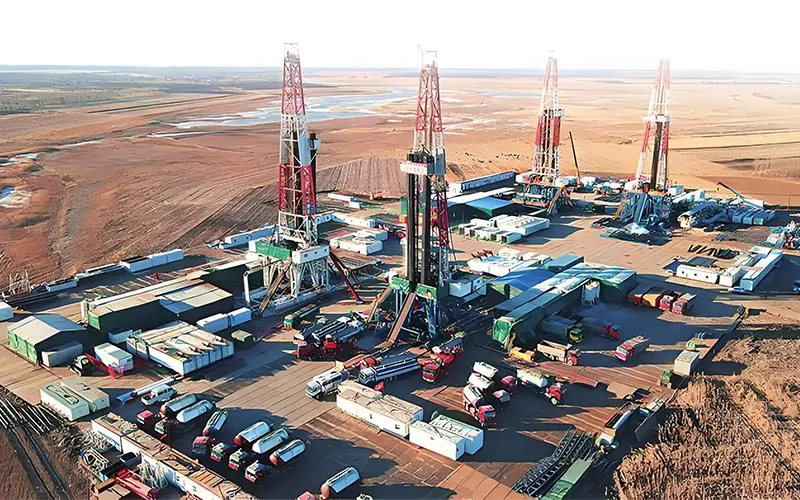
Operatorii din sectorul petrolier și gazier se confruntă cu provocări tehnice din ce în ce mai mari, pe măsură ce sondele sunt forate la adâncimi mai mari, în formațiuni cu temperaturi mai ridicate și prin formațiuni geologice tot mai complexe. Instabilitatea puțului, pierderea circulației și deteriorarea formațiunilor pot adăuga milioane de dolari în timp neproductiv (NPT) la un program de foraj. Faza de cimentare este deosebit de exigentă — o lucrare de cimentare defectuoasă, care nu reușește să asigure izolarea zonală, poate duce la presiune susținută în tubulaj, flux transversal între formațiuni și chiar la abandonarea puțului.
HEC abordează aceste riscuri la nivel de material. În proiectarea suspensiei de ciment, HEC controlează apa liberă și împiedică sedimentarea solidelor fără a îngroșa excesiv suspensia, asigurând o pompabilitate previzibilă și o eficiență de deplasare optimă. În cazul fluidelor de foraj, reologia cu fluidificare la forfecare a HEC asigură o vâscozitate ridicată la viteze de forfecare scăzute (pentru suspendarea resturilor de foraj) și o vâscozitate scăzută la viteze de forfecare ridicate (pentru sistemul hidraulic al burghiului și optimizarea vitezei de avans a forajului – ROP). Aceste două avantaje înseamnă că un singur polimer bine caracterizat — Michem HEC — poate simplifica gestionarea stocurilor, oferind în același timp performanțe constante în puț pe mai multe sisteme de fluide. Această fiabilitate se traduce direct printr-un risc operațional mai mic și costuri reduse de construcție a puțului.
Fluidele de foraj trebuie să îndeplinească simultan mai multe funcții: transportul resturilor de foraj la suprafață, suspendarea materialelor de greutate, răcirea coroanei de foraj, menținerea stabilității găurii de foraj și formarea unui strat filtrant pentru a controla invazia fluidului. HEC realizează acest lucru prin arhitectura sa moleculară unică. Substituenții hidroxietilici creează legături de hidrogen cu moleculele de apă, formând o rețea tridimensională care conferă o vâscozitate ridicată la viteză redusă de forfecare (LSRV). Aceasta este proprietatea responsabilă de suspendarea resturilor de foraj — fără o LSRV adecvată, resturile se depun atunci când circulația se oprește, ceea ce duce la blocarea țevii.
Un aspect esențial este faptul că HEC prezintă un comportament pronunțat de fluidizare la forfecare (pseudoplastic). În condiții de forfecare ridicată la nivelul bitului și în spațiul inelar, vâscozitatea aparentă scade dramatic, reducând densitatea echivalentă de circulație (ECD) și minimizând riscul de fracturare a formațiunii. Când pomparea se oprește, vâscozitatea revine rapid la valoarea inițială pentru a menține solidele în suspensie. Acest profil de recuperare tixotropică este inerent compoziției chimice a polimerului și nu necesită activatori secundari sau agenți de reticulare.
În cimentarea primară, HEC acționează atât ca agent de control al apei libere, cât și ca aditiv împotriva pierderilor de fluid. Suspensii de ciment fără HEC sunt predispuse la sedimentare — particulele dense de ciment se depun, lăsând un strat de apă în partea superioară a coloanei de ciment. Această apă liberă se scurge prin cimentul în curs de priză, creând căi de migrare pentru fluidele de formațiune. Capacitatea ridicată de legare a apei a HEC elimină apa liberă la concentrații de doar 0,1–0,3% în funcție de greutatea cimentului (BWOC).
Pentru controlul pierderilor de fluid, HEC acționează prin creșterea vâscozității fazei apoase și prin astuparea fizică a gâturilor porilor la fața formațiunii. Pe măsură ce filtratul de ciment pătrunde în roca permeabilă, moleculele de HEC se concentrează la interfață, formând rapid un strat de filtrare subțire și rezistent. Acest lucru reduce dramatic invazia filtratului — aspect esențial pentru protejarea șisturilor sensibile la apă împotriva deteriorării cauzate de hidratare și pentru prevenirea deshidratării cimentului înainte de întărire. Doza tipică de HEC pentru controlul pierderilor de fluid din suspensia de ciment variază între 0,3% și 1,5% BWOC, generând valori API ale pierderilor de fluid sub 100 mL/30 min.
Alegerea eterului de celuloză are consecințe practice semnificative în puț. Tabelul de mai jos prezintă pe scurt principalele elemente care fac diferența:
Proprietate | Michem HEC (Neionic) | CMC (Anionic) | |
Caracter ionic | Neionic | Anionic | Neionic |
intervalul de stabilitate a pH-ului | 2–12 | 6–10 | 5–10 |
Toleranța la Ca²⁺/Mg²⁺ | Excelentă | Slab (precipită) | Moderat |
Rezistența la enzime | Da | Nu | Marginal |
Toleranța la sare | Excelentă | Moderat–Slab | Moderat |
Rata de hidratare | Rapid | Rapid | Moderat–Lent |
Gelificarea termică | Nu | Nu | Da (reversibil) |
CMC, fiind funcționalizat cu grupări carboxilate, reacționează cu ionii Ca²⁺ și Mg²⁺ din saramurile de formațiune, formând precipitate insolubile care distrug vâscozitatea și pot bloca gâturile porilor. Aceasta reprezintă o deficiență fatală în multe aplicații din domeniul petrolier, unde salinitatea apei de formațiune este ridicată. HPMC, deși este neionic, suferă o gelificare termică la temperaturi ridicate (de obicei 60–75 °C, în funcție de substituție), ceea ce provoacă o scădere bruscă a vâscozității — tocmai atunci când reologia este cea mai necesară în puțurile adânci și fierbinți.
HEC evită ambele tipuri de defecțiuni. Grupările sale hidroxietilice sunt chimic inerte și nu formează complecși cu ionii metalici. Datorită caracterului său neionic, vâscozitatea sa nu depinde de salinitatea saramurii, iar produsul nu prezintă gelificare termică în intervalul de funcționare al majorității sondelor. Acest lucru face ca HEC să fie deosebit de potrivit pentru cea mai largă gamă de condiții din câmpurile petroliere.
Mecanismul de control al pierderilor de fluid al HEC merită o atenție deosebită. Atunci când o suspensie de ciment sau un fluid de foraj este presurizat împotriva unei formațiuni permeabile, faza apoasă încearcă să pătrundă în rocă. Moleculele HEC, fiind polimeri solubili în apă cu greutate moleculară mare, sunt transportate în fața formațiunii, unde raza lor hidrodinamică mare face ca acestea să fie filtrate la îngustările porilor. Astfel se formează un strat de filtrare extern, bogat în polimeri, a cărui grosime crește până când se ajunge la un echilibru în care filtrarea ulterioară este limitată de permeabilitatea redusă a stratului de filtrare însuși.
Spre deosebire de aditivii sub formă de particule pentru reducerea pierderilor de fluid (cum ar fi bentonita sau carbonatul de calciu), pelicula pe bază de polimeri a HEC nu se bazează pe corelarea distribuției dimensiunilor particulelor cu dimensiunea porilor formațiunii — aceasta funcționează într-un interval larg de permeabilități. În plus, tortul de filtrare format de HEC este solubil în acid și poate fi îndepărtat în timpul operațiunilor de completare, reducând la minimum deteriorarea formațiunii în zona productivă.
Michem Hidroxietilceluloză (HEC) — Nr. CAS 9004-62-0
Grad | Intervalul de vâscozitate (mPa·s, Brookfield LV, 1%) | Greutatea moleculară (aproximativ) | Aplicație recomandată |
HE30KB | 1,500–2,500 | Scăzut | Fântâni de mică adâncime, tubaj de suprafață, fluide de foraj cu densitate redusă |
HE60KB | 2,500–3,500 | Mediu | Sonde de adâncime intermediară, suspensii de ciment standard |
HE100KB | 3,500–6,500 | Mediu-înalt | Fântâni adânci, cimentare la temperaturi ridicate, fluide de foraj cu greutate specifică |
HE150KB | 6,500–8,500 | Înaltă | Sonde ultra-adânci, suspensii cu densitate ridicată, controlul pierderilor severe de fluid |
Parametru | Specificații |
Număr CAS | 9004-62-0 |
Caracterul ionic | Neionic |
Intervalul de stabilitate a pH-ului | 2–12 |
Conținutul de umezeală | ≤ 5% |
Conținutul de cenușă | ≤ 5% |
Rezistența enzimatică | Da |
Aspect | Pulbere albă până la alb-deschis |
Densitate în vrac | 0,35–0,55 g/cm³ |
Domenii de aplicare | Descriere |
Forajul în câmpurile petroliere | Agent principal de vâscozificare și de control al pierderilor de fluid în fluidele de foraj pe bază de apă |
Detergenți | Agent de îngroșare și stabilizator de suspensie în formulele detergenților lichizi |
Acoperiri | Modificator reologic și agent de retenție a apei în vopselele pe bază de latex și în acoperirile arhitecturale |
Cosmetice | Agent de îngroșare și de formare a peliculei în produsele de îngrijire personală |
Doza de Michem HEC în fluidele de foraj depinde de adâncimea sondei, de temperatura de la fundul sondei și de densitatea necesară a fluidului. Valori inițiale recomandate:
Adâncimea puțului (m) | Temperatura la fundul puțului (°C) | Nota HEC | Doza obișnuită (kg/m³) | Vâscozitatea țintă a pâlniei (s/qt) |
0–1,500 | < 50 | HE30KB | 1.5–3.0 | 35–45 |
1,500–3,000 | 50–80 | HE60KB | 3.0–5.0 | 40–55 |
3,000–4,500 | 80–120 | HE100KB | 4.0–7.0 | 50–65 |
4,500–6,000+ | 120–180 | HE150KB | 6.0–10.0 | 55–75 |
Procedura de amestecare a fluidelor de foraj:
Pentru operațiuni de cimentare primară și de remediere prin injectare sub presiune:
Densitatea suspensiei de ciment (kg/m³) | Nota HEC | Dozaj (% BWOC) | Valoarea țintă a pierderii de lichid conform API (mL/30 min) |
1,500–1,700 | HE30KB | 0.2–0.5 | < 150 |
1,700–1,900 | HE60KB | 0.3–0.8 | < 100 |
1,900–2,100 | HE100KB | 0.5–1.2 | < 70 |
2,100–2,300+ | HE150KB | 0.8–1.5 | < 50 |
Cele mai bune practici pentru prepararea suspensiei de ciment: